Hair loss treatment only works when it matches the reason follicles are shedding, shrinking, inflamed, damaged, or no longer present. By the end, you will be able to connect the pattern and timing of your loss to the right evaluation, compare treatment trade-offs, and recognise when self-treatment could delay necessary care.
Key takeaways
- Match treatment to the hair-loss pattern, timing, and scalp condition.
- Sudden, patchy, inflamed, or scarred loss needs dermatology assessment first.
- Confirm whether follicles remain before considering medicines, procedures, or transplantation.
- Compare treatments by their goal: regrowth, stabilisation, coverage, or restoration.
Start With the Pattern, Timing, and Scalp Appearance
Gradual thinning at the crown, widening part, or temples, with finer miniaturised hairs and a family history, points toward androgenetic alopecia. Sudden change, patchy loss, scalp inflammation, or missing follicular openings calls for assessment before choosing a regrowth treatment.
| Clue | More likely explanation | What to notice |
|---|---|---|
| Gradual, patterned thinning | Androgenetic alopecia | Density decreases slowly; hairs become progressively finer. |
| Diffuse shedding beginning two to three months after illness, surgery, childbirth, rapid weight loss, severe stress, restrictive dieting, or a medication change | Telogen effluvium | Hair comes out all over the scalp rather than in defined patches. |
| Smooth round patches, eyebrow or eyelash loss, or nail pits and ridges | Alopecia areata | The skin may look normal despite rapid hair loss. |
| Hair loss along the temples or hairline where braids, extensions, buns, or tight ponytails pull | Traction alopecia | Repeated tension can permanently destroy follicles. |
| Short broken hairs, split ends, or uneven stubble after bleaching, relaxing, colouring, or heat styling | Hair-shaft breakage | Hair is breaking rather than shedding from the root. |
| Scaling, pustules, pain, redness, or shiny skin | Infection, inflammation, or scarring alopecia | Shiny skin or lost follicular openings can indicate irreversible follicle damage. |
Thyroid disease, iron or protein deficiency, and medication-related shedding cannot be diagnosed from appearance alone. A clinician may need your history, scalp examination, dermoscopy, and targeted blood tests rather than a cosmetic product chosen by pattern alone.
Know When Hair Loss Needs a Dermatology Assessment
A proper hair loss diagnosis starts with the timeline. A clinician asks when shedding began, how quickly it is advancing, whether loss is diffuse or patterned, and whether relatives have similar thinning. They also ask about recent fever, surgery, childbirth, weight change, diet, menstrual bleeding, medicines, supplements, tight hairstyles, fatigue, and other systemic symptoms.
The examination includes the scalp and hair shafts, with dermoscopy or trichoscopy to identify miniaturised hairs, inflammation, broken hairs, or absent follicular openings. A hair-pull test may be used when active shedding is suspected.
| Warning sign | Why it matters | Appropriate response |
|---|---|---|
| Rapidly advancing loss | Cause may not be ordinary pattern loss | Arrange prompt dermatology assessment |
| Smooth patches or eyebrow or eyelash loss | Suggests alopecia areata or another targeted disorder | Do not start cosmetic treatment first |
| Pain, burning, redness, scale, pustules, or scarring | Inflammation or infection can damage follicles | Seek prompt assessment |
| Fatigue or unexplained weight change | May indicate a systemic trigger | Discuss focused medical testing |
Testing follows the history and examination, not a blanket panel. A complete blood count, ferritin test or iron studies, thyroid-stimulating hormone, vitamin B12, vitamin D, zinc, or hormone testing may be appropriate. Suspected scarring alopecia often requires a scalp biopsy because destroyed follicles cannot be revived.
Match the Treatment to the Cause and the Follicle’s Condition
A treatment works only if it matches the trigger and whether follicles remain viable. Telogen effluvium calls for correcting illness, stress, restrictive dieting, or medication triggers, reviewing protein and energy intake, checking indicated deficiencies, and allowing several months for recovery.
After rapid weight loss, review the loss rate and nutrition rather than automatically stopping effective supervised treatment.
- Alopecia areata needs anti-inflammatory or immune-directed care: intralesional corticosteroids suit limited patches; extensive disease may need specialist-directed systemic medicines such as JAK inhibitors. Minoxidil alone does not address its autoimmune cause.
- Stop repeated traction early. Treat infection with the appropriate antimicrobial, and control scarring-alopecia inflammation urgently because destroyed follicles cannot regrow.
- Nutritional correction helps a documented deficiency; excess vitamin A or selenium can worsen shedding.
For viable follicles in androgenetic alopecia, compare these options with a clinician:
| Option | Prescription and monitoring | Safety and recognised adverse effects |
|---|---|---|
| Topical minoxidil | Often over the counter; monitor scalp reaction | Irritation, early shedding, unwanted facial hair; discuss pregnancy |
| Oral minoxidil | Prescription; monitor blood pressure and pulse | Dizziness, swelling, palpitations, excess body hair; avoid pregnancy unless specialist-directed |
| Finasteride | Prescription; sex-specific counselling and review | Mainly used in men; sexual or mood symptoms; contraindicated in pregnancy |
| Dutasteride | Prescription; specialist monitoring | Stronger hormone suppression; sexual effects; contraindicated in pregnancy |
| Spironolactone | Prescription, usually for women; monitor potassium and blood pressure | Avoid pregnancy; menstrual changes, breast tenderness, dizziness, low blood pressure, or hyperkalaemia |
Compare Medicines, Procedures, Coverage, and Transplant Surgery by Their Real Goal
Choose by the result you need, not by the procedure’s novelty: reduce shedding, thicken miniaturised hairs, cover visible scalp, or redistribute donor follicles.
| Goal | Options | Trade-offs |
|---|---|---|
| Reduce shedding or thicken hairs | Topical or oral medicines; cause-directed home care | Ongoing adherence and clinical review; minoxidil can cause early shedding, irritation, dizziness, palpitations, or facial hair. Benefits fade after stopping, usually over months. |
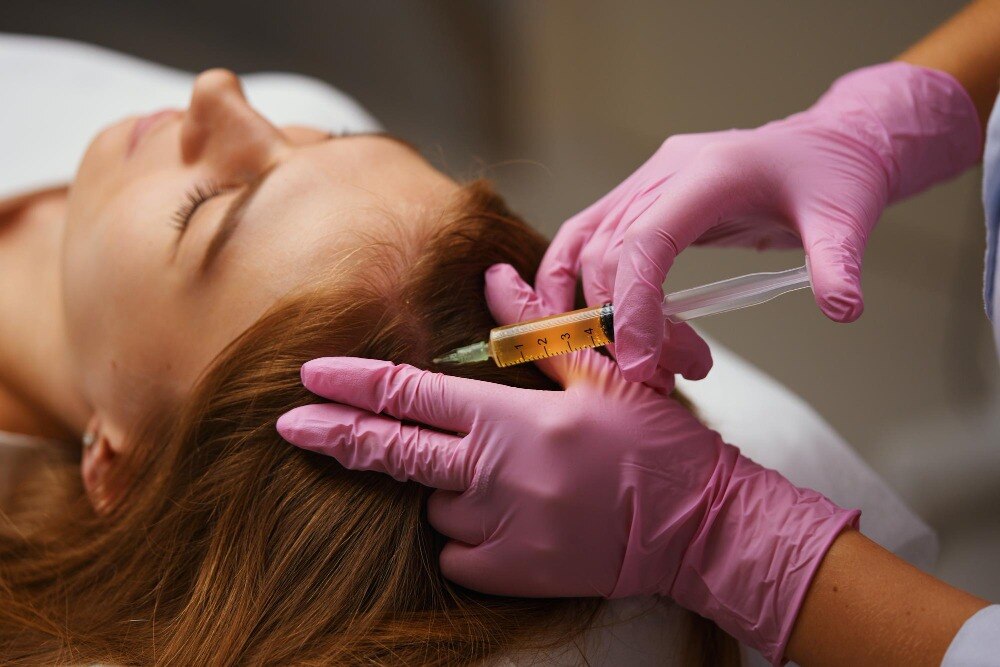
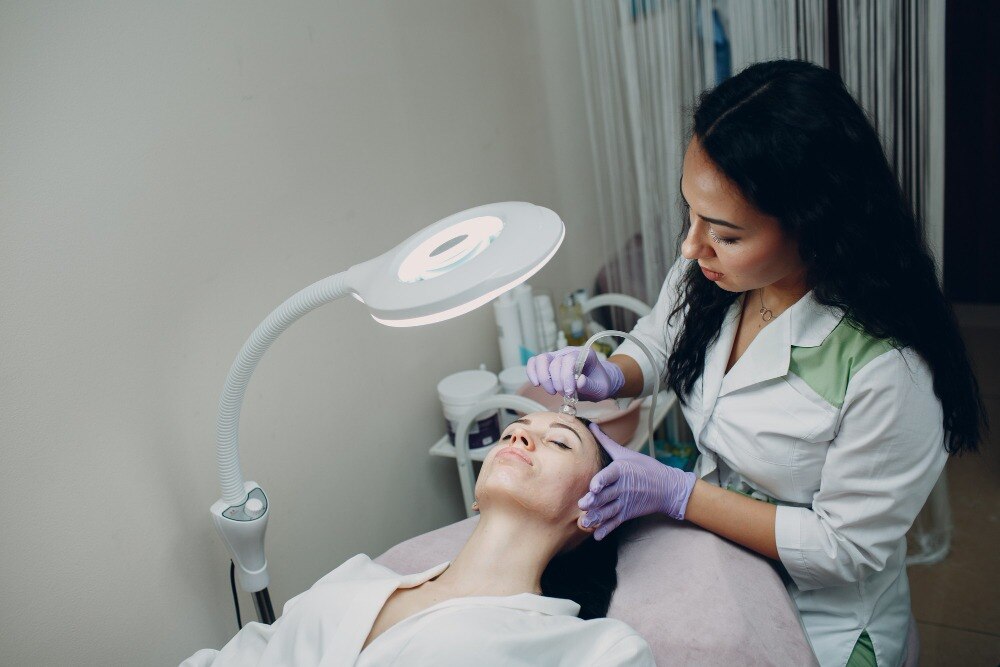
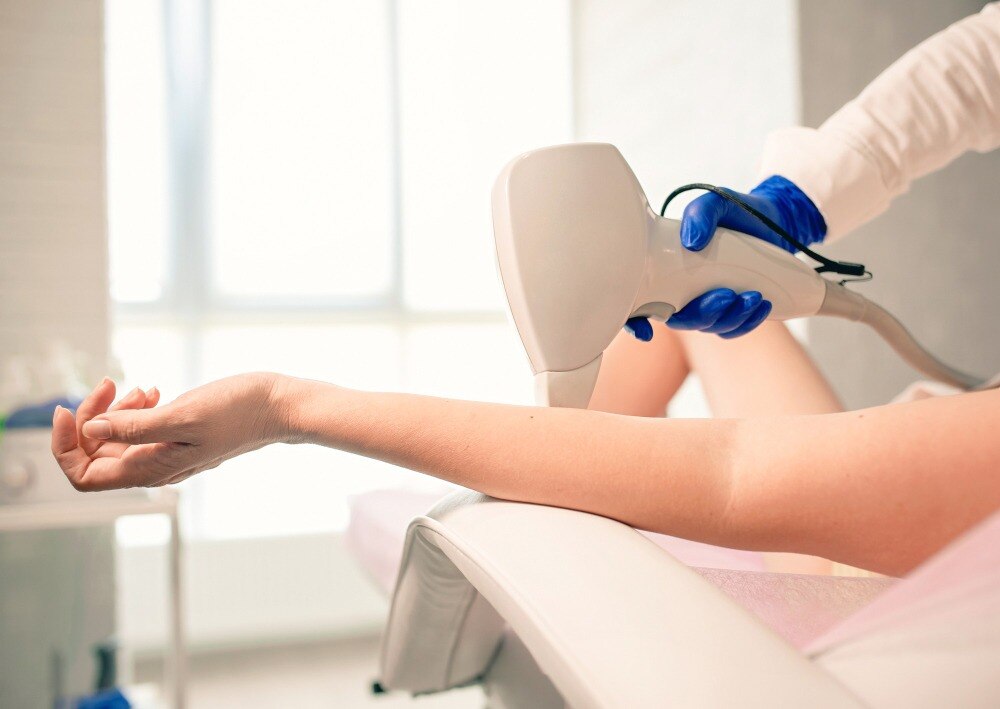
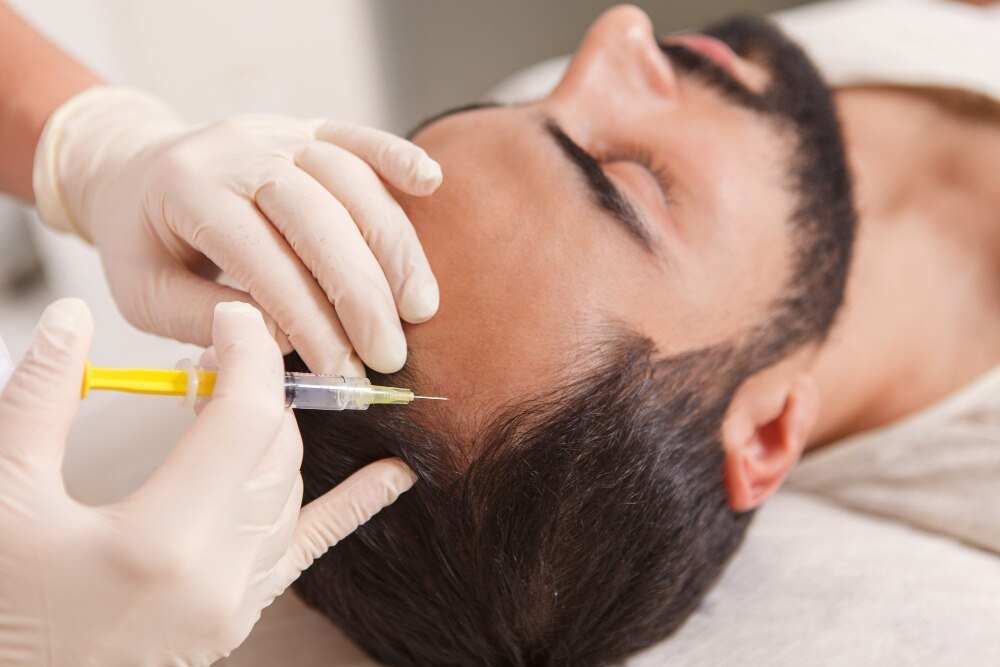
| Thicken miniaturised hairs | Platelet-rich plasma, microneedling for hair loss, low-level light therapy | Platelet-rich plasma has variable preparation, protocols, cost, and evidence; it may improve density over months. Microneedling needs diagnosis, correct depth, sterile technique, and causes temporary redness or discomfort. Low-level light therapy requires device-specific wavelength, dose, and repeated sessions, with modest benefit and little downtime. |
| Cover visible scalp | Non-surgical hair replacement | Gives immediate camouflage and is reversible, but requires professional fitting, cleaning, scalp care, and eventual replacement. |
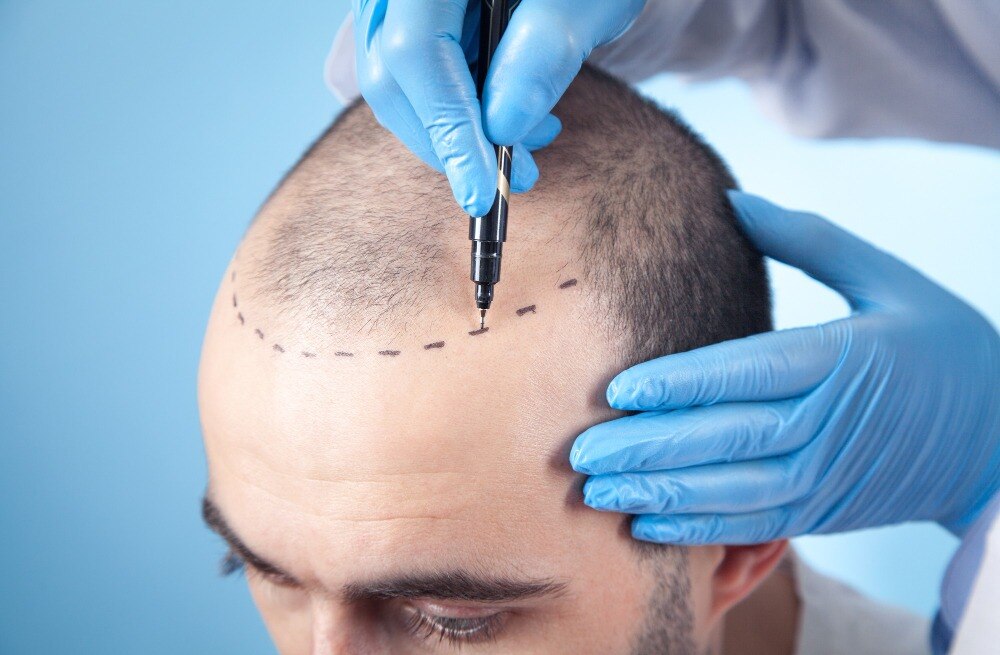
| Redistribute donor follicles | Transplant surgery | Offers durable redistribution with days of recovery, but needs adequate donor density and stable or medically managed pattern loss. It does not protect untreated native hair, and further treatment or surgery may be needed. |
Medicines are usually first-line for viable follicles. Procedures require repeated visits or home sessions, while transplant surgery is irreversible at the recipient sites. Active alopecia areata or uncontrolled scarring alopecia makes transplantation inappropriate as first-line care; destroyed follicles cannot be restored.
Compare the exact timeline, maintenance schedule, side effects, downtime, and reassessment plan before paying for any option.
Use a Decision Checklist Before Committing to a Regrowth Plan
Before paying for a procedure, make the hair regrowth treatment comparison clinical, not cosmetic. Confirm the suspected cause, ask whether follicles remain viable, and define one goal: shedding control, density improvement, camouflage, or transplantation.
- Request the expected timeline, maintenance schedule, likely response, and total review points.
- Take baseline photographs in identical lighting, angles, distance, hairstyle, and hair condition.
- Ask what monitoring applies: blood pressure, pulse, laboratory tests, potassium, menstrual or pregnancy considerations, and sexual or mood symptoms.
- Set a reassessment date before starting the hair loss treatment plan.
| Question | What to verify | Why it matters |
|---|---|---|
| PRP | Platelet preparation, injection sites, session interval, and follow-up | Protocols and evidence vary |
| Light device | Wavelength, dose, schedule, and cleaning instructions | Devices are not interchangeable |
| Microneedling | Needle depth, sterile equipment, skin preparation, and aftercare | Poor hygiene can cause infection |
| Transplant | Donor density, diagnosis, stability, and untreated native hair | Transplantation does not stop ongoing native-hair loss |
Early minoxidil shedding can be monitored, but persistent irritation, dizziness, palpitations, unwanted facial hair, medication side effects, or continued rapid loss require review rather than automatic escalation.
Dr. Richa's Unique Clinic (Call : 08048034690) is a Nagpur option for clinician-led assessment across hair, scalp, laser, and restoration services; compare its diagnostic process and follow-up plan with any hair treatment clinic Nagpur patients consider, not marketing claims alone.
Related products
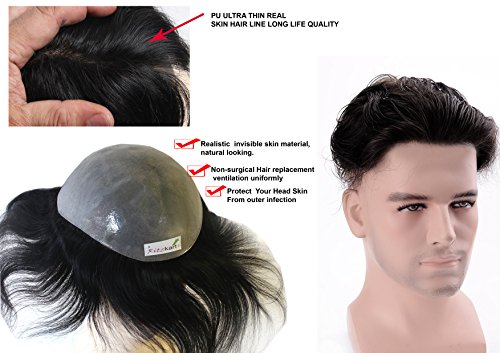 | Non-Surgical Hair REplacement As medical treatments for alopecia improve and develop, it should come as no surprise to see that other options are becoming more technically... View product → |
Hair Treatment & Transplant Clinic Hair Treatment & Transplant Clinic Baldness implies thinning or lack of hair, especially on the head. |
Frequently asked questions
What hair-loss patterns need assessment before treatment?
Sudden change, patchy loss, scalp inflammation, and missing follicular openings need dermatology assessment before choosing treatment.
What pattern points toward androgenetic alopecia?
Gradual crown thinning, a widening part, temple recession, finer miniaturised hairs, and a family history point toward androgenetic alopecia.
Why does the follicle’s condition affect treatment choice?
Treatments differ based on whether follicles are miniaturised, inactive, or absent, so the scalp must be assessed before choosing medicines, procedures, or transplantation.
How should you compare hair regrowth medicines, procedures, coverage, and transplant surgery?
Compare them by their real goal: medicines can target stabilisation or regrowth, procedures can support density, coverage can disguise thinning, and transplant surgery relocates existing follicles.
Related items
 | Hair Transplantation is a surgical technique that involves moving individual hair follicles from one part of the body (the donor site) to bald or... View product → |
 | HAIR TRANSPLANTATION Hair Transplant also called as hair restoration or hair implantation, is a procedure that permanently restores hair by transplanting new follicles... View product → |
 | Product Details: Minimum Order Quantity 1 Number Gender Unisex Applicable Age Group 20-30 years, 30-40 years, 40-50 years Advanced hair treatment is... View product → |
DERMA ROLLER Revitalize your hair with derma rolling! This innovative technique uses a specialized roller with fine needles to gently stimulate your scalp. View service → |
Keywords