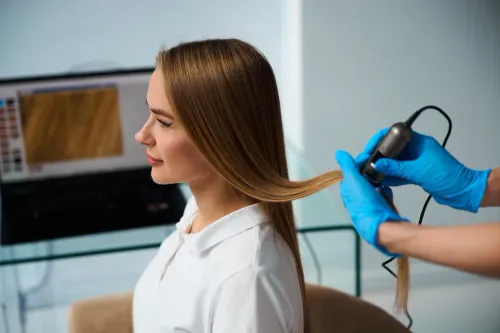
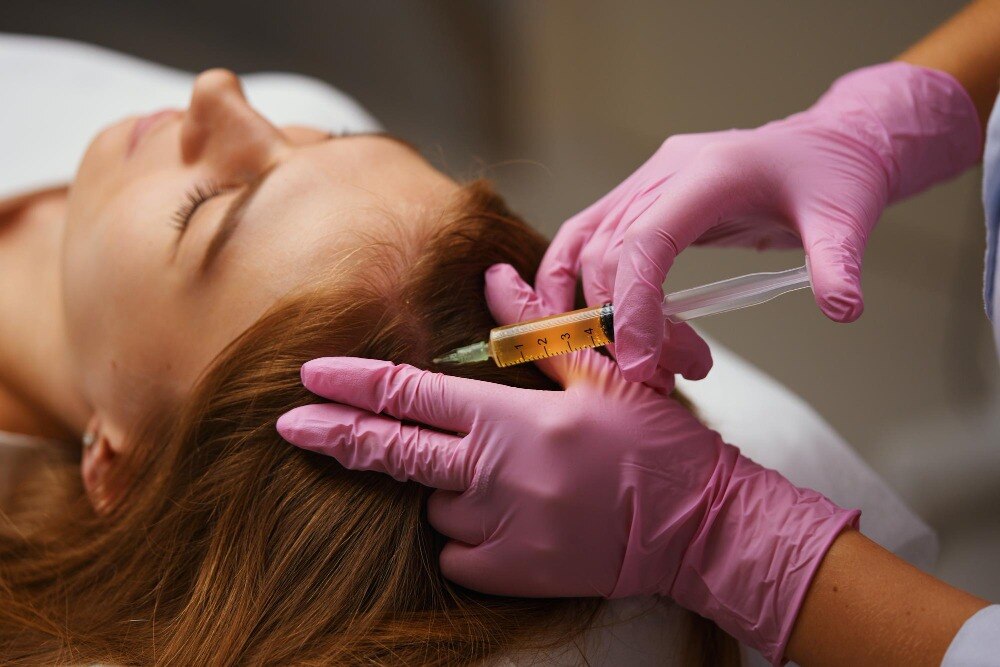
Hair shedding has several possible causes, and PRP is most relevant when thinning follicles remain viable rather than when a scalp has permanent follicle loss. By the end, you will know which diagnoses PRP is designed to support, what happens during a session, how results are measured, and when another treatment plan deserves priority.
Key takeaways
- PRP suits pattern hair loss when follicles are still present and thinning.
- A PRP appointment involves blood collection, processing, and injections into the scalp.
- Results require planned sessions and take time because hair grows gradually.
- Compare clinics by diagnosis, safety screening, injection technique, and follow-up plan.
Which types of hair loss are suitable for PRP?
PRP is most suitable for androgenetic alopecia, also called pattern hair loss, when follicles are still present but thinning or miniaturising. It is not a universal treatment for every type of shedding.
| Diagnosis | Typical pattern | What PRP can and cannot do |
|---|---|---|
| Androgenetic alopecia | Gradual thinning over the crown, part line, or temples | May support viable miniaturised follicles; it cannot restore a permanently absent follicle |
| Telogen effluvium | Sudden, diffuse shedding across the scalp | Find and treat the trigger before considering PRP |
| Medication-related shedding, iron deficiency, or thyroid disease | Diffuse loss linked to medicine, low iron, anaemia, or thyroid dysfunction | Correct the underlying cause; PRP does not replace that treatment |
| Alopecia areata | Sharply defined smooth patches | Requires assessment for autoimmune hair loss and a condition-specific plan |
| Scarring alopecia | Inflammation, scale, pain, pustules, or shiny scarred areas | PRP cannot recreate follicles destroyed by scarring; urgent diagnosis matters |
Unexplained hair loss needs a scalp examination and, when indicated, blood tests before injections. Standardised photographs, trichoscopy, and hair-density measurements help separate genuine change from different lighting, parting, styling, or normal hair-cycle variation.
For pattern hair loss, PRP is usually an adjunct, not a replacement for topical minoxidil or medically appropriate oral finasteride. Because many studies allow these treatments alongside PRP, the independent effect of PRP remains difficult to measure. Assess visible growth over months, not days.
What happens during a PRP hair treatment appointment?
A PRP hair session starts with a consultation, not a needle. The clinician reviews your hair-loss history, medical conditions, allergies, and medicines, including aspirin, anticoagulants, and drugs that affect platelet function or clotting.
1. The scalp is examined for thinning pattern, inflammation, scaling, infection, and scarring. Standardized photographs record the baseline; trichoscopy or measured hair-density assessment adds closer follicle detail when available.
2. Blood collection follows, usually from an arm vein. The sample undergoes centrifugation to separate platelet-rich plasma from other blood components.
3. The clinic may use a single-spin or double-spin method. The preparation is then selected for injection, with the scalp cleansed and prepared using sterile technique.
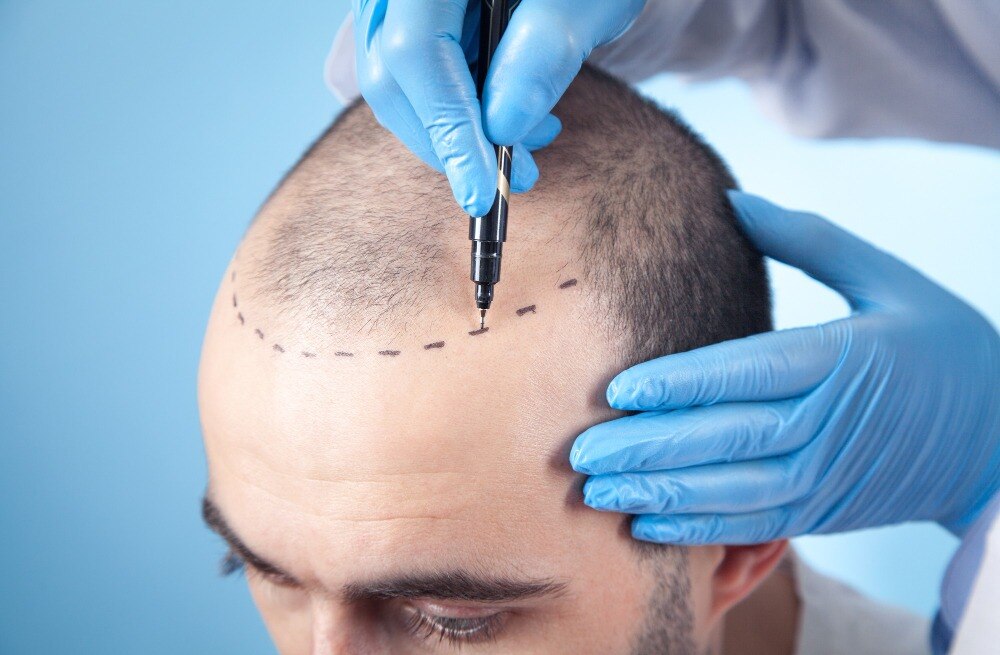
4. The clinician injects the PRP across thinning zones. Needle depth, injected volume, and spacing should match the treatment plan rather than follow a single universal pattern.
| Preparation method | Main difference | Why comparison matters |
|---|---|---|
| Single-spin | One centrifugation cycle | Produces a different platelet and leukocyte profile |
| Double-spin | Two concentration cycles | Can produce a more concentrated preparation |
| Activated PRP | An activating agent or process is used | Changes how platelets release growth factors |
| Non-activated PRP | No separate activation step | Has a different release profile |
Studies and clinics also differ in platelet concentration, leukocyte content, injection depth, and injected volume. Compare results only after checking the method.
Afterward, expect tenderness, redness, swelling, bruising, or pinpoint bleeding. Keep the scalp clean as instructed and report increasing pain, spreading redness, discharge, fever, prolonged inflammation, numbness, weakness, or unusual swelling. Infection, vessel or nerve injury, and scarring are uncommon but possible.
How many sessions are planned, and when do results appear?
Three PRP sessions spaced about four weeks apart form a commonly studied PRP treatment schedule, but this is not a universally validated dosing standard. Some clinicians discuss maintenance sessions every three to six months because any benefit may fade as follicles cycle and the underlying hair-loss process continues.
The interval depends on your diagnosis, response, and the preparation and injection protocol used.
The hair growth timeline runs in months, not days. Swelling after injections can temporarily make the scalp or hair look fuller, while styling changes can alter the apparent result; neither proves new growth. Reduced shedding is assessed over the following months, and hair density or shaft thickness is commonly reviewed around three to six months.
Follicles must enter or remain in the growth phase before newly produced hairs become visible, so treatment does not create an instant measurement change.
Use the same conditions at every review:
- Take scalp photographs with consistent lighting, camera distance, parting, and hair length.
- Repeat trichoscopy, when available, over the same scalp areas.
- Record measured hair counts or density readings using the same method.
- Compare shedding and photographs at planned intervals rather than judging the scalp day to day.
A clinician should revise the schedule if the diagnosis is uncertain, shedding accelerates, or the first planned review shows no meaningful change.
What determines whether PRP is safe and likely to help?
PRP suitability depends on why hair is falling, how long it has been happening, its pattern, and how quickly it progressed. The clinician examines the scalp, takes standardized baseline photographs, and uses trichoscopy to assess miniaturised follicles, inflammation, scaling, or scarring. Blood tests are appropriate when iron deficiency, anaemia, or thyroid disease is suspected.
Before injecting, clinicians may postpone PRP or choose a different plan for:
- Untreated scalp infection or systemic infection
- Active inflammatory scalp disease
- Significant anaemia or platelet disorders
- Uncontrolled medical illness
- Unexplained sudden shedding
- Anticoagulant or platelet-impairing medicines that increase bleeding risk
Do not stop aspirin, anticoagulants, or any prescribed medicine yourself. The prescribing clinician must weigh bleeding risk against the danger of clotting before any change is made.
PRP has a stronger rationale for early or moderate thinning when viable miniaturised follicles remain. Advanced, long-standing loss with extensive follicular destruction, scarring, or permanently absent follicles is less likely to improve because PRP cannot create a new follicle.
Its own-blood origin avoids donor-tissue rejection concerns, but venipuncture and scalp injections still carry risks such as bruising, bleeding, infection, and inflammation.
How should you compare PRP options before choosing a clinic?
A credible PRP clinic comparison starts with records, not a discounted package. Ask for these details before consenting:
| Item | Questions to ask | Why it matters |
|---|---|---|
| Diagnosis and baseline | What is the working hair-loss diagnosis? Will you provide standardized photographs and a trichoscopy assessment? Are blood tests indicated? | Sudden shedding, iron deficiency, thyroid disease, or scarring needs a different plan. |
| Protocol | Is preparation single-spin or double-spin? What are the leukocyte and activation approaches? How much is injected, at what depth, and in what injection pattern? | Published studies use materially different methods, so results are difficult to compare. |
| Schedule and follow-up | How many sessions, with what spacing? What is the maintenance policy? How will you measure change using photographs, trichoscopy, or hair counts? | Consistent parting, lighting, hair length, and timing prevent styling effects from posing as growth. |
| Safety | What aftercare is provided, and what is the complication plan for infection, prolonged inflammation, or unusual pain? | You need to understand PRP risks and benefits before treatment. |
Systematic reviews report improved hair density or hair counts in many studies, but small samples, inconsistent protocols, short follow-up, and varying outcome measures leave benefit size and durability uncertain. Compare PRP with minoxidil, medically appropriate finasteride, and observation; do not assume a package is necessary.
In Nagpur, Dr. Richa's Unique Clinic (Call : 08048034690) can provide an assessment combining hair, scalp, and medically supervised planning, but your decision should follow a documented hair-loss diagnosis and informed alternatives discussion.
Related products
 | Hair Transplantation is a surgical technique that involves moving individual hair follicles from one part of the body (the donor site) to bald or... View product → |
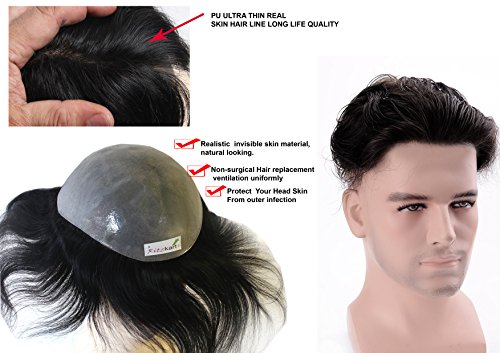 | Non-Surgical Hair REplacement As medical treatments for alopecia improve and develop, it should come as no surprise to see that other options are becoming more technically... View product → |
Frequently asked questions
Which types of hair loss are suitable for PRP?
PRP is most suitable for androgenetic alopecia, also called pattern hair loss, when follicles are still present but thinning or miniaturising. It is not a universal treatment for every type of shedding.
What happens during a PRP hair treatment appointment?
The appointment involves collecting a small blood sample, processing it to concentrate platelets, and injecting the prepared PRP into selected areas of the scalp.
How many PRP hair treatment sessions are planned, and when do results appear?
The number and spacing of sessions depend on your diagnosis, hair-loss pattern, and treatment plan. Results appear gradually because hair growth follows a slow cycle.
What determines whether PRP is safe and likely to help?
A clinician should confirm the cause of hair loss, check your medical history and medicines, examine the scalp, and assess whether viable follicles remain.
How should you compare PRP hair treatment options before choosing a clinic?
Compare the quality of diagnosis, safety screening, sterile preparation, treatment protocol, clinician experience, realistic timelines, and follow-up care.
Related product
 | Dr. Richa Jain provides Skin Rejuvenating Treatment through Advance Peeling & Laser Technology. we provide all treatments in dr. supervision. View product → |
Keywords