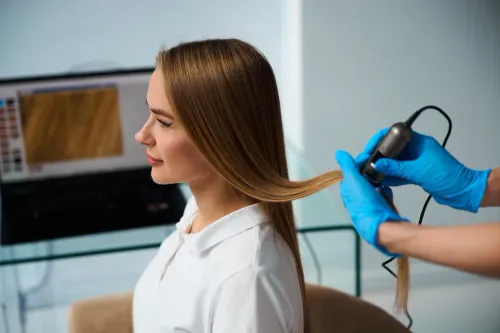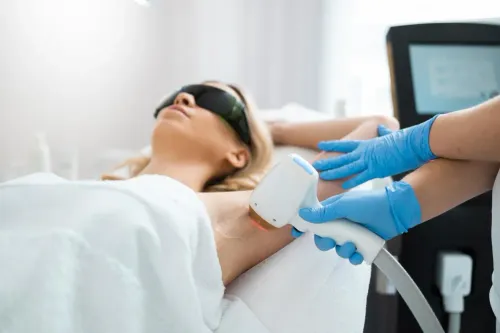
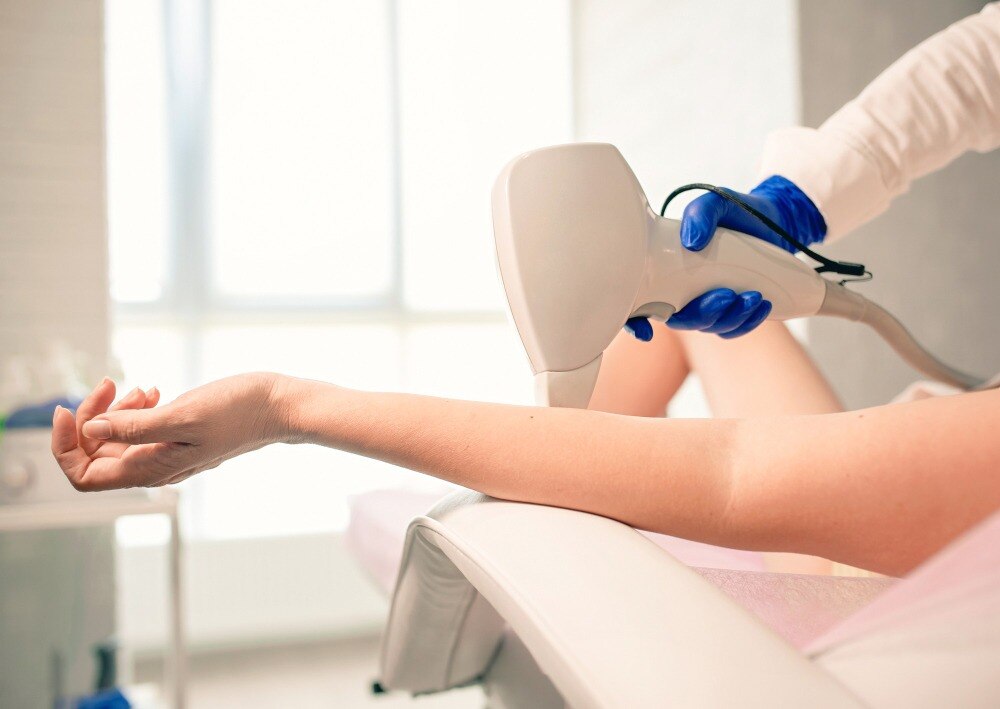
Most people need a planned course rather than one or two appointments, but the number varies sharply between facial areas, the underarms, the legs, and the torso. By the end, you will have a realistic starting range for each area, know when to schedule the next session, and understand which signs indicate progress or a need to reassess treatment.
Key takeaways
- Budget for 6–8 initial sessions, then review reduction and regrowth.
- Facial areas often need extra sessions and ongoing maintenance.
- Dark, coarse hair usually responds better than light, fine hair.
- Hormonal changes can trigger regrowth and extend the treatment plan.
A practical session estimate for each body area
Budget for an initial course of about 6–8 laser hair removal sessions, then adjust the plan after reviewing regrowth and reduction. Facial areas often need extra sessions or maintenance, especially when hormones stimulate new growth.
- Upper lip: 6–10 or more sessions. Upper lip laser hair removal often needs maintenance because the hair can be hormonally influenced.
- Chin: 6–10 or more sessions. Chin laser hair removal may take longer when hairs are coarse, scattered, or linked to hormonal changes.
- Full face: 6–10 or more sessions. Full face laser hair removal sessions may need separate planning for the upper lip, chin, jawline, and sideburn areas.
- Underarms: 6–8 sessions.
- Bikini line or Brazilian area: 6–8 sessions.
- Full arms: 6–8 sessions; fine forearm hair can respond more slowly than coarse underarm hair.
- Lower legs: 6–8 sessions.
- Full legs: 6–8 sessions.
- Chest: 6–10 sessions.
- Back: 6–10 sessions.
- Shoulders: 6–10 sessions, particularly when dense hair extends across the upper back.
- Abdomen: 6–10 sessions.
These are planning ranges, not guaranteed quotas. Dark, coarse hair usually responds more predictably than fine or lightly pigmented hair, while skin tone, laser wavelength, settings, hormonal conditions, and the growth cycle can shift the final number. Budget for a review rather than paying for a fixed total without assessment.
Why the same area needs several appointments
Repeated sessions are necessary because laser works best on follicles in the anagen growth phase, when the hair contains enough pigment to absorb energy. At any appointment, only a fraction of follicles are in that phase; the rest become treatable later.
Most people need about 6 to 8 sessions for an initial course, not one or two. Treating again too quickly does not accelerate results because new target hairs may not have entered active growth.
Use this timing as a starting checklist:
- The usual facial laser hair removal interval is 4 to 6 weeks. Wait for clear regrowth rather than booking by the calendar alone.
- The usual body laser hair removal interval is 6 to 8 weeks for areas such as the legs, back, and chest.
- Extend the gap when regrowth is sparse or delayed. Treating an area before new anagen hairs appear wastes an appointment.
- Allow roughly 1 to 3 weeks for treated hairs to shed. Uneven stubble during that period does not automatically indicate failure.
- Shave between sessions if needed, but do not wax, epilate, or pluck; those methods remove the follicle’s pigmented target.
Fine facial or vellus hair needs clinical assessment before treatment because it carries a risk of paradoxical hypertrichosis, in which hair becomes denser or more noticeable. A clinician may also adjust timing when hormonal hair growth changes the pattern.
Hair colour, thickness, skin tone, and laser response
Expect the most predictable response from coarse dark hair because its melanin absorbs laser energy efficiently. Fine facial hair absorbs less energy, so it often needs more sessions and carries a risk of paradoxical hypertrichosis, where treated hair becomes denser or more noticeable.
Hair colour can decide whether laser is suitable at all. White, grey, and very light-blond hair contain too little pigment for reliable targeting; electrolysis is a more appropriate option for many such hairs. Hair diameter matters too: thick shafts usually respond faster than fine shafts.
For laser hair removal for darker skin, wavelength and settings must protect epidermal melanin while still heating the follicle. Long-pulsed 1,064-nm Nd:YAG laser hair removal is commonly selected because its longer wavelength penetrates deeper and reduces surface pigment absorption.
- Darker skin: Nd:YAG wavelength, careful cooling, and conservative fluence reduce burn and pigment-change risk, but the course can take longer.
- Lighter skin with dark hair: alexandrite or diode wavelengths can deliver stronger follicle heating when the contrast is high.
- Fine or low-contrast hair: lower absorption can mean slower reduction or an unsuitable treatment.
- Fluence, pulse duration, spot size, and cooling: these determine how much follicular damage occurs safely; inadequate energy prolongs treatment, while excessive energy risks burns.
A session count is therefore an estimate, not a guaranteed reduction percentage. A clinician should assess fine facial hair and skin tone before treatment rather than applying the same settings to every area.
Hormones, maintenance, and signs of a slow response
Hormonal changes can extend the course because they stimulate new follicles after treated hairs have shed. PCOS laser hair removal often needs more facial sessions and ongoing laser hair removal maintenance, especially for the chin, jawline, and upper lip.
- PCOS: Androgen-sensitive follicles can keep producing new facial hairs, even after good reduction.
- Thyroid disease: Uncontrolled hypothyroidism or hyperthyroidism can alter hair growth; stabilise the condition and review persistent changes with your doctor.
- Menopause: Falling oestrogen can reveal coarse chin or upper-lip hairs, creating new growth after an earlier successful course.
- Pregnancy: Postpone treatment during pregnancy because safety data are limited; reassess growth after hormone levels settle.
- Androgen medicines: Testosterone, DHEA, and some anabolic medicines can increase growth. Antiandrogen treatment may reduce new growth but does not erase existing follicles.
Slow progress is still real when treated hairs shed within a few weeks, regrowth appears in patches, and returning hairs become finer or lighter. Sparse regrowth often means the next appointment should wait until enough hairs enter the active growth phase.
Question the treatment plan when there is no shedding, no patchy reduction, or no change in hair thickness after two or three correctly spaced sessions. Ask for a clinician’s review of settings, wavelength, hair pigment, and any hormonal trigger.
Fine facial or vellus hair deserves extra caution because paradoxical hypertrichosis can make hair denser or more visible after treatment.
How to turn a session estimate into a sensible treatment plan
Treat a laser hair removal package as a starting estimate, not a guarantee. A clinician-led laser hair removal consultation is more useful than a fixed number when facial hair is fine, growth is uneven, skin is recently tanned, or hormonal changes are driving new growth.
- Ask which device and wavelength will be used, and whether your skin tone and hair colour suit it.
- Ask how the laser hair removal treatment settings will be selected, adjusted after each response, and recorded.
- Ask how many sessions the clinician expects initially, what interval applies to your area, and when maintenance sessions might be needed.
- Confirm exactly what the package covers: treatment area, session validity, touch-ups, missed appointments, price changes, and whether unused sessions expire.
- Ask what you must stop between visits. Waxing, epilating, and plucking remove the follicle target; shaving does not.
- Ask how the clinic will handle poor response, burns, pigment changes, or paradoxical hypertrichosis, especially on the face.
Dr. Richa's Unique Clinic (Call : 08048034690) can use an assessment to distinguish coarse pigmented hair, which usually offers a clearer laser target, from fine facial hair that needs extra caution.
Do not commit to a fixed course for white, grey, or very light-blond hair without discussing alternatives such as electrolysis for white hair. Pay for a plan that explains decisions, not merely a number.
Related items
 | Product Details: Minimum Order Quantity 1 Person Applicable Age Group 10-20 years, 20-30 years, 30-40 years, 40-50 years, >50 years Laser Hair... View product → |
UNWANTED HAIR UNWANTED HAIR REMOVAL FULL HANDS Unwanted hair is a typical source of anxiety for both men and women, and it can cause feelings of self-consciousness or discomfort. View service → |
Frequently asked questions
How many laser hair removal sessions are usually needed for each body area?
Plan for about 6–8 initial sessions, then adjust after reviewing results. Facial areas often need extra sessions or maintenance, while body areas can follow a steadier course.
Why does laser hair removal require several appointments?
Laser works best on hairs in the active growth phase. Because hairs grow on different cycles, repeated appointments are needed to treat more follicles at the right stage.
How do hair colour, thickness, and skin tone affect laser hair removal results?
Dark, coarse hair usually absorbs laser energy more effectively than light, fine hair. Skin tone affects the laser settings and safety assessment, so treatment must be matched to your skin and hair.
Why might hormonal hair growth need more sessions or maintenance?
Hormonal conditions can stimulate new facial or body hair after treatment. Signs of a slower response include persistent regrowth, new growth between sessions, and little reduction after several appointments.
Related items
UNWANTED HAIR REMOVAL UNWANTED HAIR REMOVAL FULL FACE Unwanted hair is a typical source of anxiety for both men and women, and it can cause feelings of self-consciousness or discomfort. View service → |
 | Laser Hair Removal Back Treatments Product Details: Minimum Order Quantity 1 Onwards Gender male , female Applicable Age Group 20-30 years, 30-40 years, 40-50 years, >50 years So whats... View product → |
UNWANTED HAIR REMOVAL UNWANTED HAIR REMOVAL FULL LEGS Laser hair removal-full leg: Full legs laser hair removal is a popular treatment for women. View service → |
Permanent Hair Removal Diode Laser Product Details: Minimum Order Quantity 1 Unit Fluence Up to 60 J/cm Laser Standard 230 V AC Brand unique Usage Hotel, Professional, beauty salon &... View product → |