A clinic that lists every popular procedure is not automatically the right clinic for your problem. You need to match the concern to the correct medical expertise, confirm that the diagnosis is sound, and compare the proposed treatment by its evidence, risks, operator, and follow-up plan.
Key takeaways
- Choose diagnosis before cosmetic treatment for changing, bleeding, or painful skin lesions.
- Confirm who diagnoses, prescribes, and performs each treatment.
- Ask for the exact protocol, risks, downtime, and number of sessions.
- Reject guaranteed results and clinics that cannot explain safety procedures.
Start with the concern, not the clinic’s treatment menu
Choose a clinic by the problem you need diagnosed, not by the length of its treatment menu. Acne, painful cysts, eczema, rosacea, sudden pigmentation, a changing mole, or a bleeding lesion belongs first with a dermatologist-led clinic. Cosmetic treatment without diagnosis can delay care for infection, inflammatory disease, or skin cancer.
| Clinic type | Best fit | Check before booking |
|---|---|---|
| Dermatologist-led clinic | Acne, melasma, eczema, rosacea, suspicious lesions, scarring hair loss, and prescription treatment | The named dermatologist’s current licence, diagnostic role, and prescribing authority |
| Medical-aesthetics clinic | Aesthetic procedures after diagnosis, such as fillers, peels, scar treatment, or medically supervised laser | A doctor remains responsible for assessment, consent, complications, and follow-up |
| Salon facial provider | Basic cleansing or non-medical maintenance for already-diagnosed, stable skin | It must not diagnose lesions, prescribe medicines, or treat severe acne and rashes |
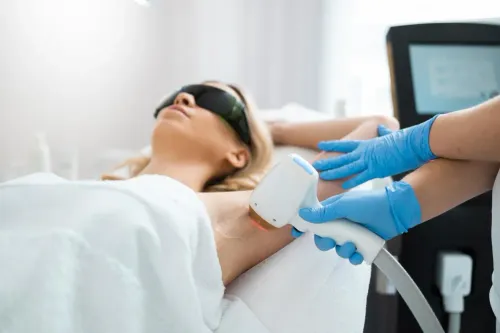
| Laser-only centre | A clearly defined hair-removal or pigment procedure after suitability screening | Ask who adjusts settings, their experience with your skin tone, eye protection, and whether a test spot is appropriate |
Laser and light procedures demand extra caution in darker skin because epidermal melanin competes for absorbed energy, raising burn and pigmentation risks. Do not choose a laser-only centre for a changing mole or unexplained pigmentation.
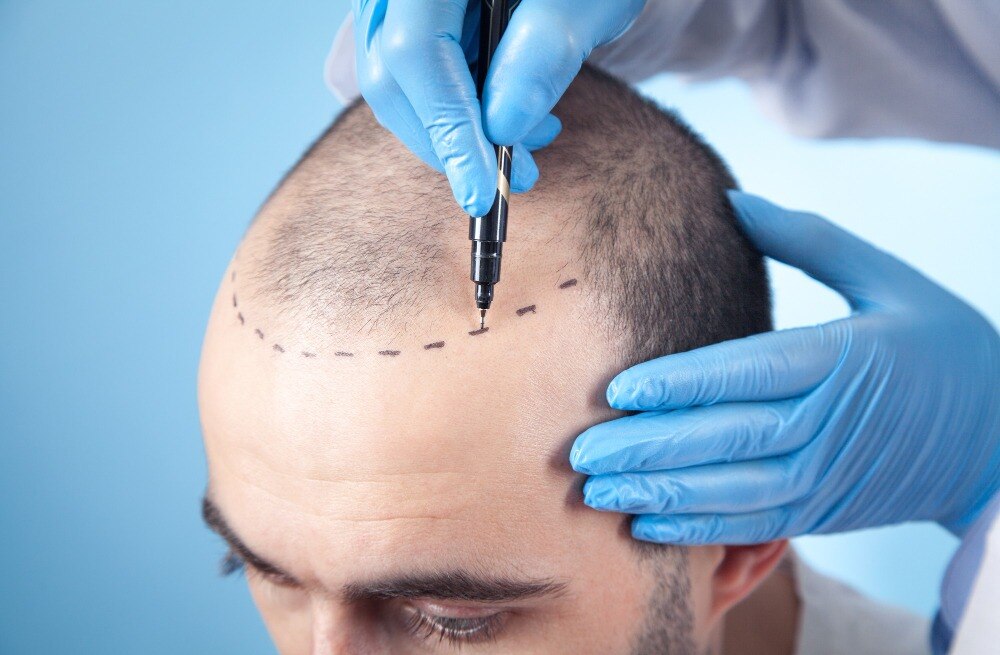
For fillers, ask who handles accidental intra-arterial injection, visual symptoms, or neurological symptoms, and whether hyaluronic-acid reversal treatment is immediately available. For isotretinoin or suspected scarring hair loss, choose a dermatologist-led clinic with structured monitoring; hair transplantation or PRP alone does not treat active follicle destruction.
Check who will diagnose, prescribe, and perform the procedure
A clinic’s treatment menu proves nothing if no named doctor accepts responsibility for your diagnosis and treatment. Titles such as “aesthetic doctor,” “cosmetologist,” and “laser specialist” do not establish a medical licence, prescribing authority, or competence for a specific procedure.
1. Ask for the treating practitioner’s full name, doctor qualification, registration number, and current medical licence. Check those details on the medical regulator’s public register in the clinic’s jurisdiction, then confirm that the proposed procedure falls within that person’s legal scope of practice.
2. Verify the dermatologist credentials if you have acne, melasma, rosacea, eczema, a changing mole, a bleeding lesion, or an unexplained rash. The consultation provider should diagnose the condition; do not accept a facialist or technician as a substitute for medical assessment.
3. Identify the consultation and procedure provider. Ask whether the same doctor examines you, prescribes medicines, obtains consent, and performs the injection, laser, peel, or other procedure. If a nurse or technician performs it, ask who supervises them and who handles complications.
4. Request specific safety arrangements. Isotretinoin requires baseline assessment, pregnancy-prevention measures where relevant, follow-up, and monitoring. Filler treatment requires an emergency plan for vision or neurological symptoms and immediate access to hyaluronidase when hyaluronic-acid filler is used.
A weight-loss injection also needs a named prescriber, exact product and concentration, pharmacy details, and written dosing in milligrams. “Units” without those details is a reason to stop and verify before treatment.
Use the consultation to test the diagnosis and treatment plan
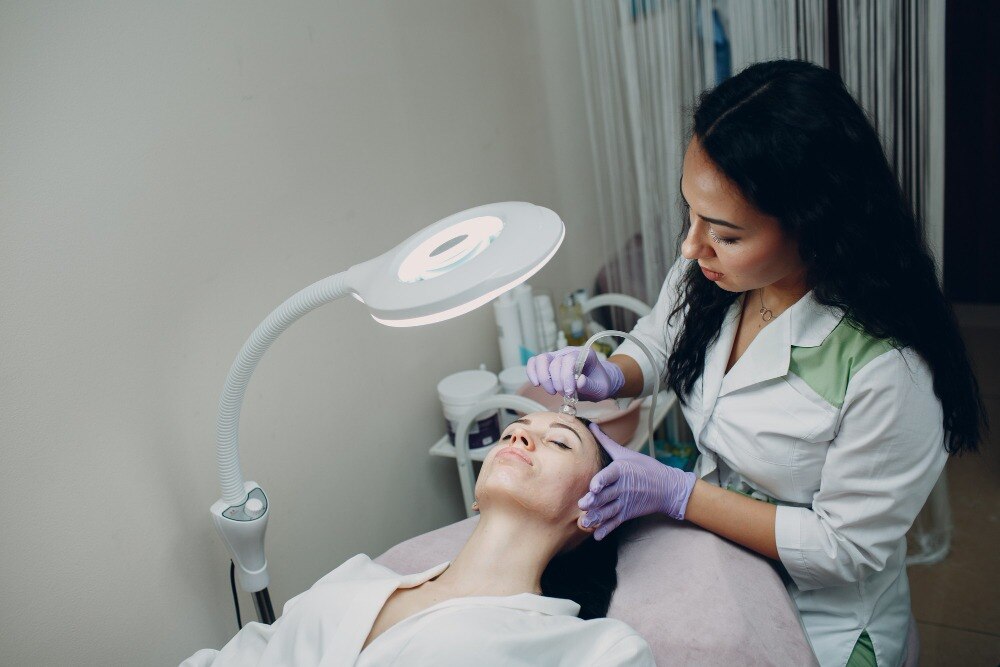
A proper skin consultation should establish a diagnosis, not begin with a treatment package. The clinician should examine the affected area, ask when it started, what changes it, and distinguish acne, melasma, rosacea, eczema, infection, scarring, or a suspicious lesion before recommending treatment.
Ask these skin consultation questions during the appointment:
- What is the working diagnosis, and what findings support it? For a changing, bleeding, or persistent lesion, ask whether dermoscopy, testing, or referral is needed before cosmetic treatment.
- How will you review my medical history, current medicines and allergies, and conditions that affect healing or pigmentation?
- What is the treatment goal, expected timeline, number of sessions, and main risk for my skin type?
- How will pregnancy status and previous procedures change the plan? Isotretinoin requires baseline assessment, pregnancy-prevention measures for people who could become pregnant, follow-up, and monitoring—not a casual “skin reset.”
- If hair shedding or PRP is involved, how will you distinguish telogen effluvium, androgenetic alopecia, alopecia areata, and scarring alopecia? Ask for the examination method, such as scalp inspection or dermoscopy, and the exact PRP preparation and injection schedule.
- Who will prescribe, perform, and manage complications?
The clinician should explain alternatives, including doing nothing or seeking another diagnosis, in plain language. If the appointment skips examination, dismisses your history, or promises guaranteed results before identifying the problem, do not pay for a package that day.
Compare the actual protocol, not attractive treatment labels
Compare the protocol, not “advanced” or “premium” labels. A useful proposal identifies the target problem, device or drug, settings, risks, and a review point.
| Proposal detail | Higher clinical value | Warning sign |
|---|---|---|
| Diagnosis | Names the condition and explains why this treatment fits | Treats every mark as the same problem |
| Laser wavelength | Matches the wavelength to the target and your Fitzpatrick skin type | Gives no wavelength or skin-type adjustment |
| Safety testing | Includes a patch test when pigment or burn risk warrants it, plus proper eye protection | Starts full treatment without discussing test results |
| Energy settings and session interval | Records fluence, pulse duration, spot size, cooling, and the reason for each session interval | Promises identical settings for every person |
| Acne plan | Controls active inflammatory acne before treating residual scars | Repeats peels or lasers while painful acne remains untreated |
| Injectables | Names the prescriber, sterile single-use supplies, emergency plan, and hyaluronidase for hyaluronic-acid filler | Relies on a clean room as proof of injection safety |
| Hair-loss treatment | States PRP preparation, platelet concentration, injection schedule, and outcome measure | Presents PRP as guaranteed or offers transplantation for active scarring alopecia |
Ask both clinics to give these details in writing and to state what result counts as success, how many sessions they expect, and when they will stop or change treatment. Dr. Richa's Unique Clinic, phone 08048034690, should be assessed using this protocol-level comparison rather than its service menu.
A cheaper package is poor value if it omits diagnosis, monitoring, or rescue planning.
Recognise realistic outcomes and safety systems before you commit
Trustworthy clinics describe realistic treatment outcomes, state what the procedure cannot fix, and put risks, downtime and aftercare, and follow-up in writing. A promise of guaranteed acne clearance, permanent melasma removal, or hair regrowth is a warning sign.
Before paying, ask these questions:
1. What result is likely, how many sessions are expected, and what happens if improvement is limited? For PRP, ask for the platelet concentration, preparation method, injection schedule, and outcome measure. PRP for androgenetic hair loss is not one standardised treatment, so certainty claims are misleading.
2. Who handles complications? For injectable filler, ask for the dermal filler emergency protocol, including urgent assessment of severe pain, blanching, visual symptoms, or neurological symptoms. If hyaluronic-acid filler is used, confirm that reversal treatment is immediately available.
3. What monitoring accompanies prescription medicine? Isotretinoin monitoring should include pregnancy-prevention requirements for people who could become pregnant, baseline assessment, scheduled follow-up, and review of important adverse effects. A “skin reset” package without this structure is unsafe.
4. What happens after treatment? Confirm a named contact, review date, written warning signs, and a route for urgent care. For injections, check that staff use a new sterile needle and syringe for every injection and never share single-dose vials between patients.
A clinic that discusses uncertainty and documents follow-up is giving you a safety system, not just a sales pitch.
Frequently asked questions
Which skin concerns need a dermatologist-led clinic first?
Acne, painful cysts, eczema, rosacea, sudden pigmentation, changing moles, and bleeding lesions need diagnosis before cosmetic treatment.
What should you check about the clinic’s staff?
Confirm who will diagnose your condition, prescribe medicines, and perform any procedure. Ask about their qualifications and clinical role.
What should you ask during a skin clinic consultation?
Ask what the diagnosis is, what supports it, which alternatives were considered, and how the proposed treatment addresses your concern.
How can you compare skin treatment plans accurately?
Compare the exact device or medicine, treatment settings, session schedule, preparation, aftercare, downtime, risks, and total commitment rather than treatment names.
What safety signs should you look for before treatment?
Look for clear consent, medical history review, patch testing when relevant, documented aftercare, emergency instructions, and realistic outcome claims.