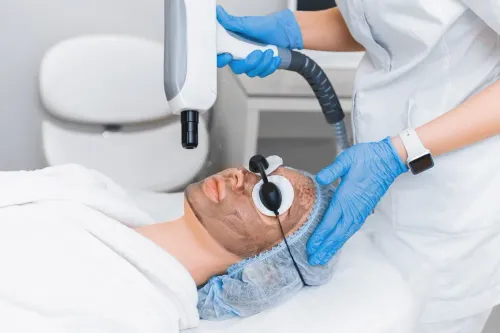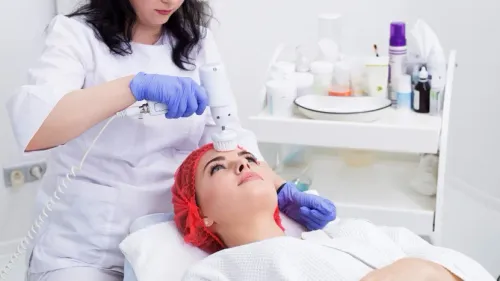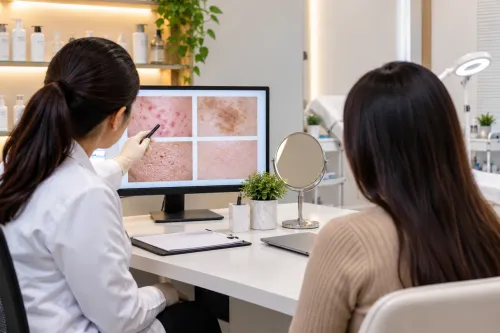
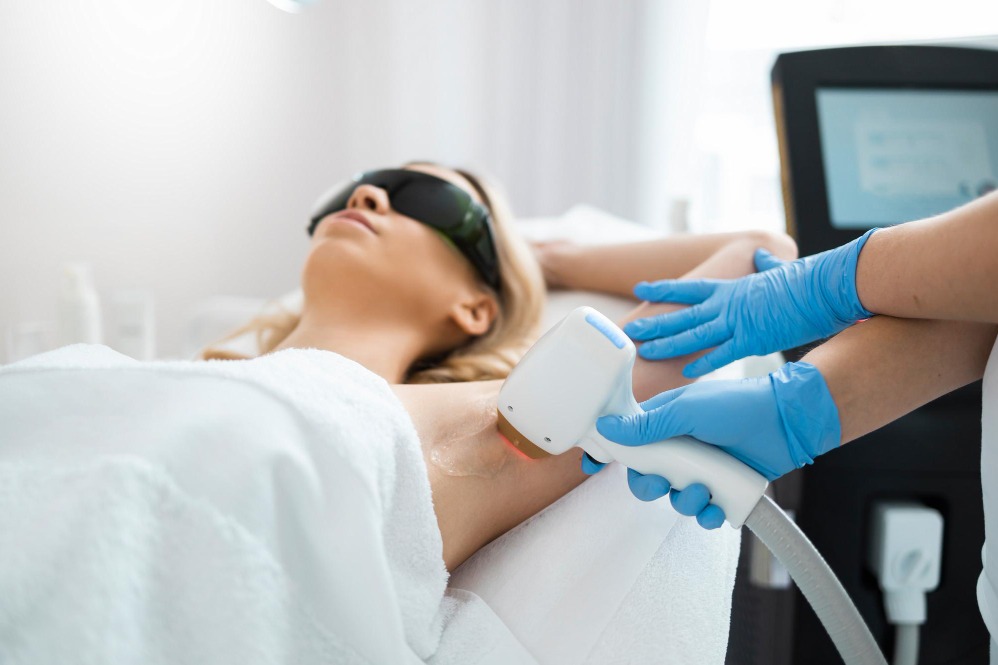
Unwanted facial or body hair can require repeated shaving, waxing or threading. Laser Hair Removal offers a longer-term approach to reducing hair growth, but successful treatment involves more than simply attending a laser session.
The hair-growth cycle, device parameters, skin type and preparation all influence the process. Avoiding common mistakes can make treatment safer and more effective.
Mistake 1: Expecting Permanent Removal After One Session
Laser hair treatment is more accurately understood as long-term hair reduction rather than a guarantee that every hair will disappear permanently.
Hair grows through different phases, and laser treatment is most effective on hairs in a suitable active-growth stage.
Because all hairs are not in the same phase simultaneously, multiple sessions are normally required.
Maintenance sessions may also be recommended for some individuals.
Mistake 2: Waxing Before Your Appointment
Laser treatment targets pigment associated with the hair follicle. Waxing, threading and epilating remove hair from the root, which can interfere with that target.
Patients are commonly advised to avoid root-removal methods for an appropriate period before treatment.
Shaving is different because it removes hair above the skin while leaving the follicular structure in place. Follow the specific preparation instructions given by your clinic.
Mistake 3: Ignoring Recent Sun Exposure
Tanning changes the amount of pigment in the skin and can affect laser safety.
Patients should disclose recent sun exposure or tanning rather than hiding it to keep an appointment. Treatment parameters or timing may need adjustment.
Sun protection is also important after treatment.
Mistake 4: Choosing a Clinic Based Only on Price
A low package price may be attractive, particularly when several sessions are needed, but treatment quality depends on more than cost.
Ask about:
- The technology being used
- Who assesses treatment suitability
- How parameters are selected
- Safety measures
- Expected number of sessions
- What happens if the skin reacts
- Whether maintenance is included or separate
Laser platforms and treatment protocols are not identical.
Mistake 5: Not Mentioning Medical or Hormonal Factors
Certain hormonal conditions can contribute to increased facial or body hair.
If excessive hair growth has developed suddenly or occurs alongside other symptoms, appropriate medical evaluation may be important.
Laser can reduce treated hair, but it does not necessarily correct an underlying hormonal cause.
Mistake 6: Expecting the Same Result on Every Hair
Laser response varies according to factors such as hair colour, thickness, treatment area and skin characteristics.
Dark, coarse hair generally provides a different laser target from very fine or lightly pigmented hair.
This is why a consultation should include realistic expectations for the area being treated.
Make Aftercare Part of the Treatment
Temporary redness or follicular swelling can occur after treatment. Patients should follow the clinic's aftercare recommendations and avoid unnecessary irritation.
Dr. Richa's Unique Clinic offers laser-based aesthetic services for individuals in Nagpur considering unwanted-hair reduction. Treatment planning should account for skin type, hair characteristics and the treatment area.
For people in Maharashtra's warm, sunny climate, planning sun exposure around laser sessions can be especially relevant for exposed areas.
Laser hair reduction can reduce the burden of frequent conventional hair-removal methods, but it works best when expectations are realistic. Appropriate preparation, consistent sessions and qualified supervision matter just as much as the laser device itself.
Keywords