A tan develops when the skin produces additional melanin in response to ultraviolet exposure. It is a protective response, but repeated or intense exposure can leave the face, neck, arms and other uncovered areas looking uneven or noticeably darker.
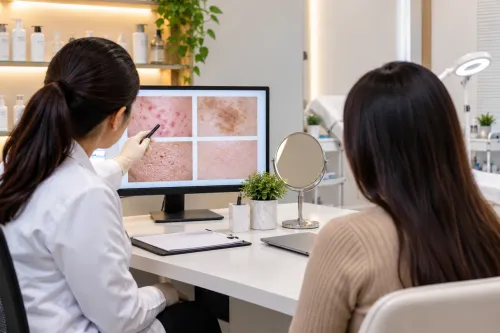
Basic skincare may gradually improve a mild tan. When uneven tone persists, professionally selected tan removal treatments can support controlled exfoliation and skin renewal. Dr. Richa’s Unique Clinic assesses the depth of discolouration and differentiates tanning from other pigmentation conditions before recommending treatment.
Is It Tanning or Pigmentation?
Not every dark patch is a sun tan. Similar-looking discolouration can result from melasma, acne marks, friction, skin inflammation or the use of irritating products.
Tanning often appears on areas regularly exposed to sunlight and may be accompanied by dullness or uneven texture. Melasma tends to form more defined patches, commonly on the cheeks, forehead or upper lip. Post-inflammatory pigmentation develops after acne, injury, irritation or another skin condition.
Correct identification matters because a treatment suitable for surface tanning may not be enough for melasma or deeper pigmentation.
Tan Removal Treatments in Nagpur
Depending on the assessment, the treatment plan may include one or more of the following:
Medical-grade skincare
Doctor-recommended products may support gradual exfoliation, control uneven pigment and strengthen the skin barrier. These products need consistent use and should be selected according to skin sensitivity.
Chemical peels
Superficial chemical peels remove selected surface layers and may help improve tanning, dullness and uneven tone. Peel formulation and strength should be matched to the patient’s skin type.
Laser-based procedures
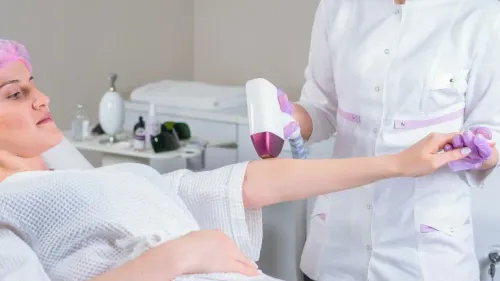
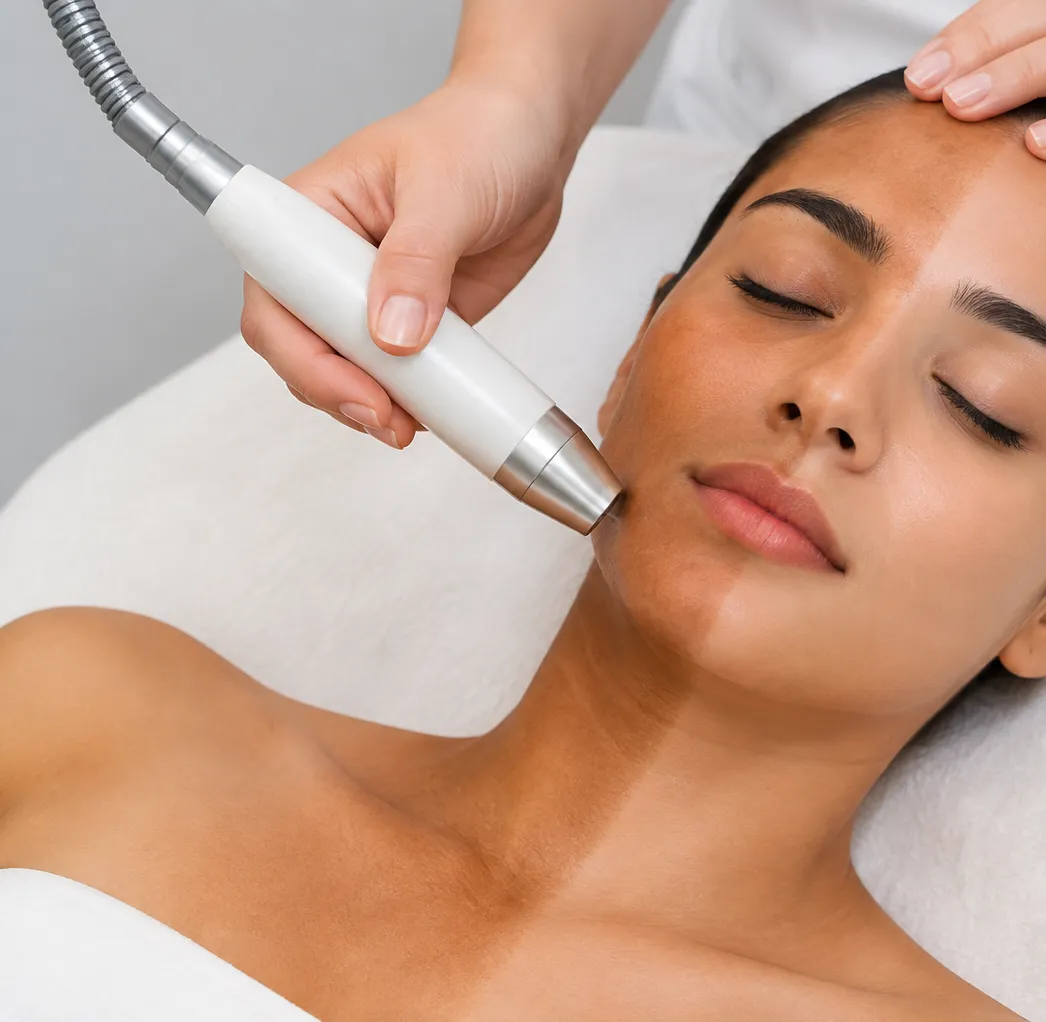
Certain laser procedures may be considered when pigmentation requires a more targeted approach. Correct technology, conservative settings and appropriate patient selection are particularly important for Indian skin tones.
Medi-facials or controlled exfoliation
Clinically supervised facials may help remove surface buildup and temporarily improve brightness. They should not be presented as a permanent solution for deeper pigmentation.
Why Harsh Home Remedies Can Backfire
Lemon juice, baking soda, abrasive scrubs and undiluted acids are widely promoted as quick tan-removal remedies. These substances can irritate the skin and damage its protective barrier.
Inflammation may create additional pigmentation, especially in medium-to-deep skin tones. Excessive scrubbing can also cause dryness, sensitivity and small abrasions.
Safer home practices include gentle cleansing, moisturisation, regular sunscreen use and avoiding unnecessary friction. Treatment should aim to improve the skin without creating new damage.
How to Select a Suitable Clinic
A provider should inspect the skin before recommending a peel or laser package. Patients can ask:
- What type of pigmentation do I have?
- Which treatment has been recommended and why?
- How many sessions may be considered?
- Is peeling or downtime expected?
- Which products should be paused?
- What are the possible side effects?
- How should I protect my skin afterward?
Promises of permanent tan removal should be viewed carefully. New tanning can occur whenever unprotected sun exposure continues.
Preventing New Tanning in Nagpur
Nagpur receives strong sunlight for much of the year, so prevention is central to maintaining results. Use broad-spectrum sunscreen, reapply when outdoors and consider physical protection such as a hat, umbrella or full-sleeved clothing. Window exposure and regular daytime travel may also contribute to cumulative sun exposure.
Improvement is usually gradual and may require a combination of treatment and consistent protection. For a personalised tan and pigmentation assessment, book an appointment with Dr. Richa’s Unique Clinic in Nagpur and receive guidance based on your skin type and daily sun exposure.
Keywords