Modern aesthetic medicine offers more options than ever, which can make choosing a treatment surprisingly confusing. Chemical peels, clinical facials, lasers, injectables and other procedures may all be promoted for improving appearance, but they are not interchangeable.
A Cosmetology Clinic should help determine which category of treatment matches the actual concern instead of simply recommending the most popular procedure.
Start With the Problem, Not the Procedure
A patient may arrive asking for a laser because a friend had good results, while the underlying concern may respond better to another approach.
Common aesthetic goals include:
- Reducing acne marks
- Improving uneven pigmentation
- Managing signs of ageing
- Improving skin texture
- Addressing unwanted facial or body hair
- Restoring facial volume
- Improving dull-looking skin
The first question should therefore be, “What are we treating?” rather than, “Which treatment is trending?”
When Are Chemical Peels Considered?
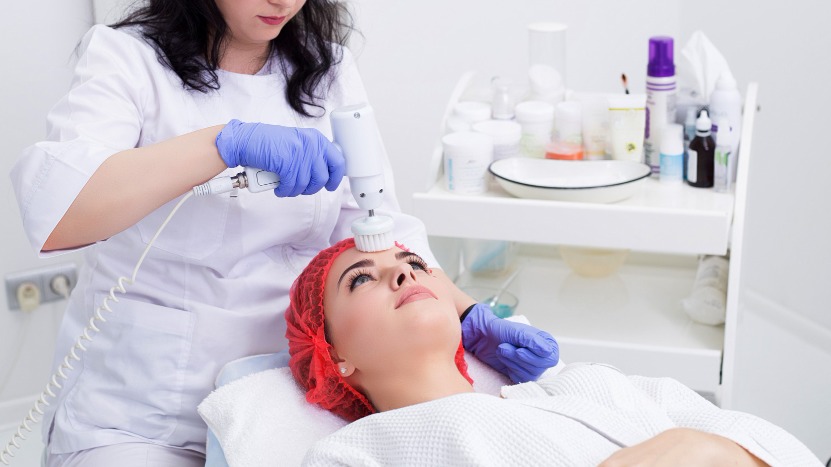
Chemical peels use carefully selected solutions to exfoliate particular layers of the skin.
Depending on their formulation and depth, they may be considered for selected cases involving acne, superficial pigmentation, uneven texture or general skin rejuvenation.
Peel selection needs to account for skin type, sensitivity, current medications and pigmentation risk. Stronger does not automatically mean better.
Where Do Laser Treatments Fit?
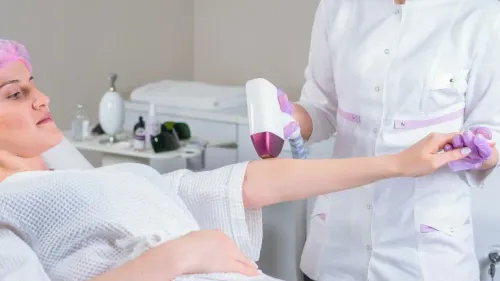
Laser and light-based technologies have several aesthetic applications, but different devices target different concerns.
They may be used for applications such as:
- Hair reduction
- Selected pigmentation concerns
- Tattoo removal
- Skin resurfacing
- Certain vascular or textural concerns
Device selection, treatment parameters and patient suitability matter. A laser designed for one indication should not be assumed to solve every skin concern.
What About Injectable Aesthetic Treatments?
Injectable procedures belong to another category.
Depending on the treatment, they may be used for concerns involving facial lines, volume, contour or other aesthetic goals. Certain injectable therapies are also marketed for skin appearance.
Because these procedures involve medical products and potential complications, they require appropriate clinical assessment and informed consent.
Why Combining Treatments Requires Planning
More treatments do not automatically produce better results.
Combining procedures too aggressively can increase irritation, downtime or other complications. The sequence and interval between treatments may be important.
A staged plan can therefore be more sensible than trying several procedures at once.
Questions Worth Asking
Before undergoing an aesthetic procedure, ask:
- What specific problem is this treating?
- Why is it appropriate for my skin?
- Are there alternatives?
- How many sessions might be required?
- What downtime should I expect?
- What side effects or complications are possible?
- What aftercare will be necessary?
These questions help turn an aesthetic consultation into an informed decision.
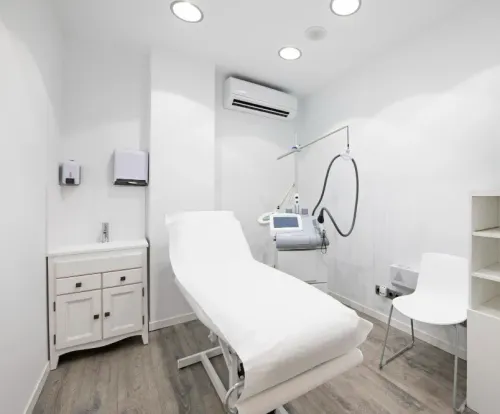
For patients in Nagpur evaluating skin, laser and cosmetic procedures, Dr. Richa's Unique Clinic offers multiple aesthetic treatment categories under one setting. The advantage of having options is meaningful only when treatment selection remains individualized.
A good cosmetology plan does not begin with the longest treatment menu. It begins with accurate assessment, realistic expectations and selecting the least excessive approach capable of addressing the concern.
Keywords