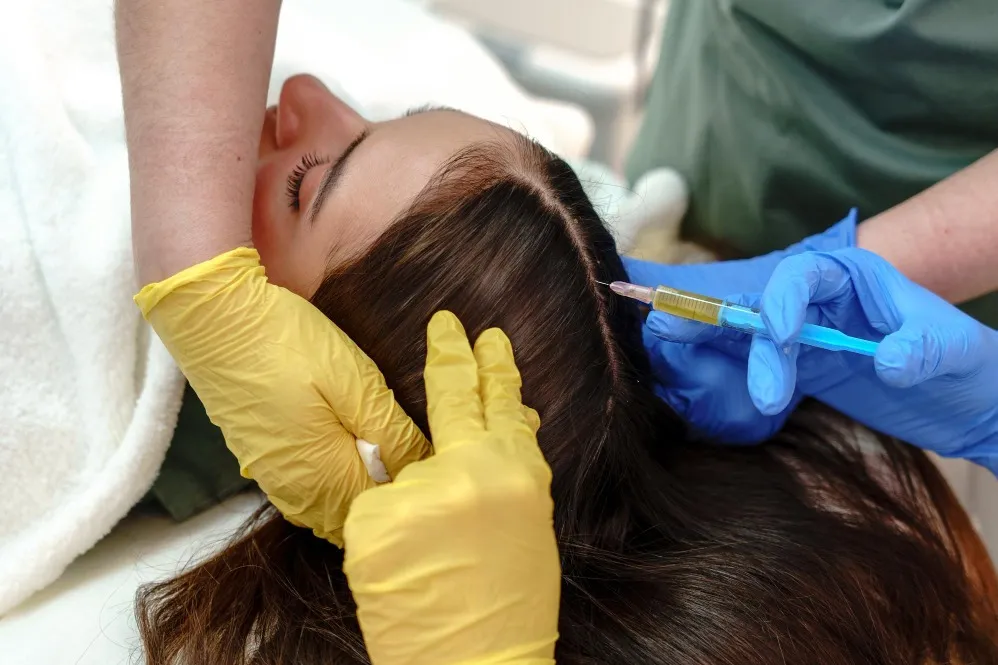
Platelet-rich plasma, commonly called PRP, is an autologous treatment prepared from a person’s own blood. It is used in several areas of medicine and has also become a familiar option in hair restoration and aesthetic practice.
People exploring PRP treatments in Nagpur often want to know whether the procedure can reduce hair fall, encourage growth or improve facial skin quality. The answer depends on the concern being treated, its underlying cause and the individual’s suitability for the procedure.
At Dr. Richa’s Unique Clinic, PRP may be considered only after evaluating the patient’s hair or skin condition. Understanding what happens during treatment can help patients approach it with realistic expectations.
What Happens During a PRP Session?
A small quantity of blood is collected from the patient, much like a routine blood test. It is then placed in a centrifuge, which spins at a controlled speed to separate its components.
The platelet-rich portion is prepared for use in the targeted area. Depending on the treatment plan, it may be administered into the scalp or used as part of a facial rejuvenation procedure.
A typical appointment generally involves:
- Cleaning and preparing the treatment area
- Drawing a small blood sample
- Processing the sample in a centrifuge
- Collecting the platelet-rich component
- Administering it using the selected clinical technique
Because the material comes from the patient’s own blood, PRP is different from synthetic fillers or medicines. However, it is still a medical procedure and should be performed with appropriate sterile precautions.
How Is PRP Used for Hair Concerns?
Hair PRP is commonly explored by people experiencing thinning or certain patterns of hair loss. Platelets contain biologically active components that may support the environment around functioning hair follicles.
PRP cannot create new follicles where they no longer exist. It may be more relevant when follicles are present but weakened or producing finer hair. Suitability therefore depends on the type, duration and stage of hair loss.
A proper hair assessment may include the pattern of thinning, family history, scalp condition, nutrition, recent illness and possible hormonal factors. Blood investigations may sometimes be advised when deficiencies or medical causes are suspected.
How Is PRP Used for Facial Skin?
Facial PRP is generally discussed in relation to skin texture, early signs of ageing and overall rejuvenation. The method used may differ according to the concern and treatment area.
Patients should not confuse PRP with dermal fillers. Fillers add volume to selected areas, whereas PRP is intended to support gradual biological processes within the skin. It does not provide the immediate structural change associated with a filler.
Recovery and Aftercare
Temporary redness, tenderness, swelling or small injection marks can occur. Scalp sensitivity and mild discomfort are also possible after hair PRP. These effects usually need to be considered when planning work, social commitments or outdoor travel.
Nagpur’s heat and strong daytime sun make aftercare especially important for facial procedures. Patients may be advised to minimise unnecessary sun exposure, follow cleansing instructions and avoid applying unapproved products to the treated area.
When Might PRP Not Be Appropriate?
PRP is not automatically suitable for everyone. The doctor should review medical history, medicines, active infections, blood-related conditions and other relevant health factors before recommending treatment.
Results also vary. Some people may require a planned series of sessions followed by periodic review, while others may be advised to consider a different approach entirely. PRP works best when chosen for the right indication and supported by a broader plan addressing the actual cause of the concern.
Keywords