Hair fall often begins with a few extra strands on a pillow, comb or bathroom floor. Many people respond by changing shampoos, applying oils or trying supplements recommended by friends. These measures may support general hair care, but they cannot correct every cause of persistent thinning.
A hair regrowth clinic takes a diagnostic approach. Instead of treating hair fall as one universal problem, it looks at the pattern, duration, scalp condition and possible medical triggers. At Dr. Richa’s Unique Clinic in Nagpur, the first step is to understand why the hair is falling before considering a treatment programme.
What Home Care Can Realistically Do
Gentle hair care can reduce unnecessary breakage and scalp irritation. Practical measures include:
- Avoiding very tight hairstyles
- Limiting frequent heat styling
- Using a mild shampoo suited to the scalp
- Eating a balanced, protein-containing diet
- Avoiding vigorous rubbing of wet hair
- Managing dandruff with suitable guidance
- Getting adequate sleep
- Reducing repeated chemical processing
Hair oils can condition the hair shaft and reduce dryness, but they do not reactivate follicles that have stopped producing hair. Similarly, changing shampoo may improve cleanliness or manage dandruff, but it is unlikely to reverse hereditary thinning.
Supplements are most useful when an actual deficiency exists. Taking several hair supplements without investigation can be unnecessary and may expose a person to excessive doses of certain nutrients.
When Hair Fall Needs Clinical Evaluation
Professional assessment is worth considering when:
- Hair fall continues for several weeks
- The centre parting appears wider
- The hairline is receding
- Bald patches develop
- The scalp becomes itchy, painful or inflamed
- Hair loss follows an illness or major life event
- There is a family history of patterned baldness
- Eyebrow or body hair is also affected
- Thinning begins suddenly
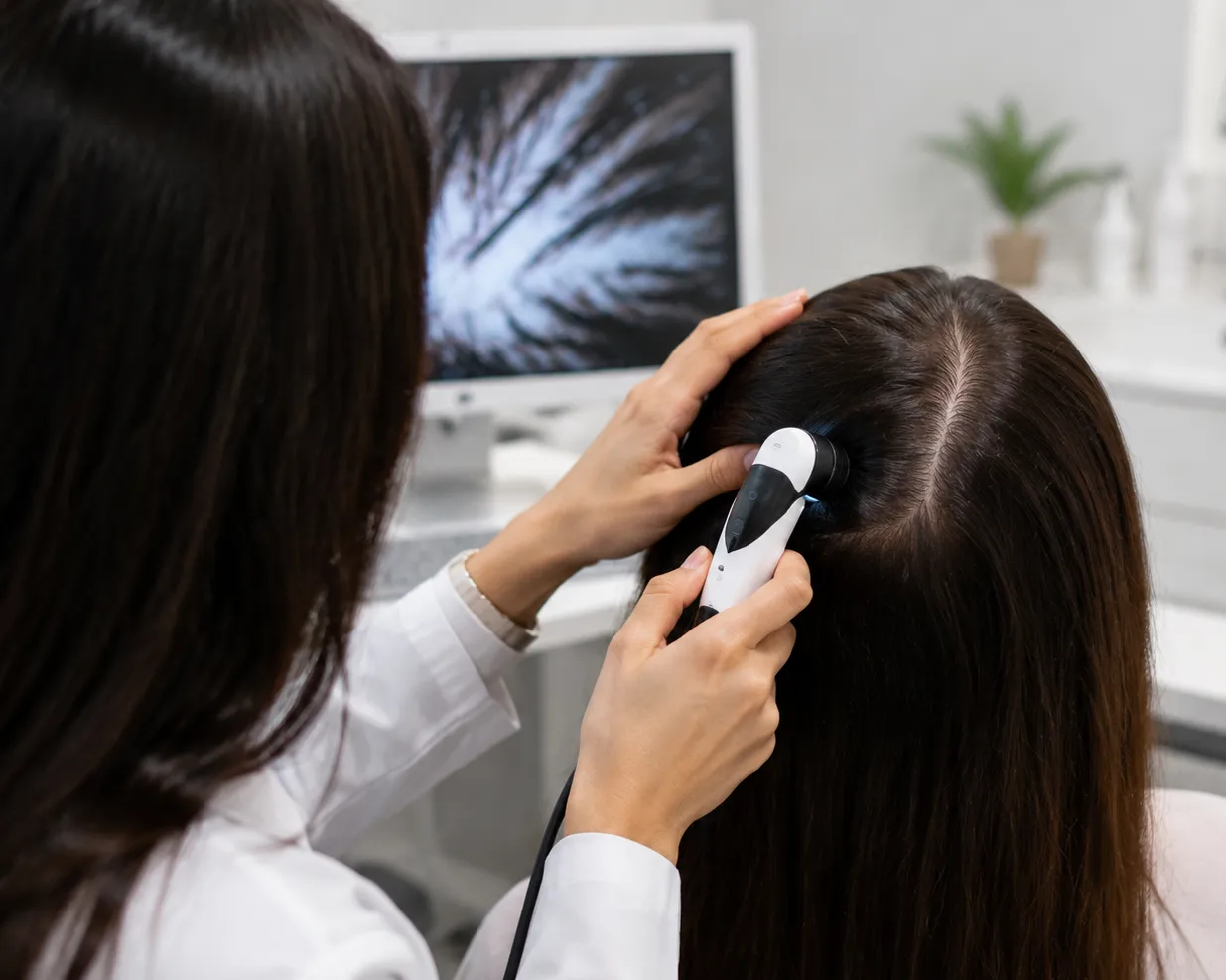
A clinician may examine the scalp and ask about health conditions, recent fever, weight changes, stress, pregnancy, medicines and dietary habits. Blood tests may be suggested when thyroid problems, anaemia, vitamin deficiency or hormonal factors are suspected.
How Clinical Treatments Differ
A hair regrowth plan may combine several methods depending on the diagnosis. Medical treatment can help slow certain forms of hair loss and support follicles that are still active. PRP or other regenerative procedures may be considered for selected patients. Scalp conditions such as dandruff or inflammation may require separate management.
Hair transplantation is generally discussed when there is established hair loss and an adequate donor area. It is not the first solution for every case of shedding.
These options serve different purposes:
- Medical therapy may help preserve existing hair.
- Nutritional correction addresses a confirmed deficiency.
- Scalp treatment controls conditions affecting the follicular environment.
- PRP may support suitable functioning follicles.
- Hair transplantation redistributes follicles from a donor area.
Why Early Assessment Matters
Some temporary forms of hair fall improve once the trigger is corrected. Progressive patterned hair loss, however, may become more difficult to manage as follicles gradually miniaturise. Early evaluation provides a better chance to protect existing hair.
Nagpur’s hot weather can increase sweating and scalp oiliness, but frequent sweating itself does not automatically cause baldness. The scalp should be cleansed according to its needs without aggressive scrubbing or repeated use of harsh products.
A credible hair regrowth clinic should explain the likely diagnosis, proposed treatment period, limitations and method for monitoring progress. Hair growth is gradual, so photographs taken under consistent lighting may be more useful than daily mirror checks. The goal is not to promise instant density but to create a medically appropriate plan for preserving and improving hair wherever realistically possible.
Keywords