Dark circles can make the face appear tired even after a full night’s sleep. Although lack of rest may temporarily deepen under-eye shadows, persistent dark circles often involve several factors. Pigmentation, thin skin, allergies, facial anatomy and age-related volume loss can all affect the under-eye area.
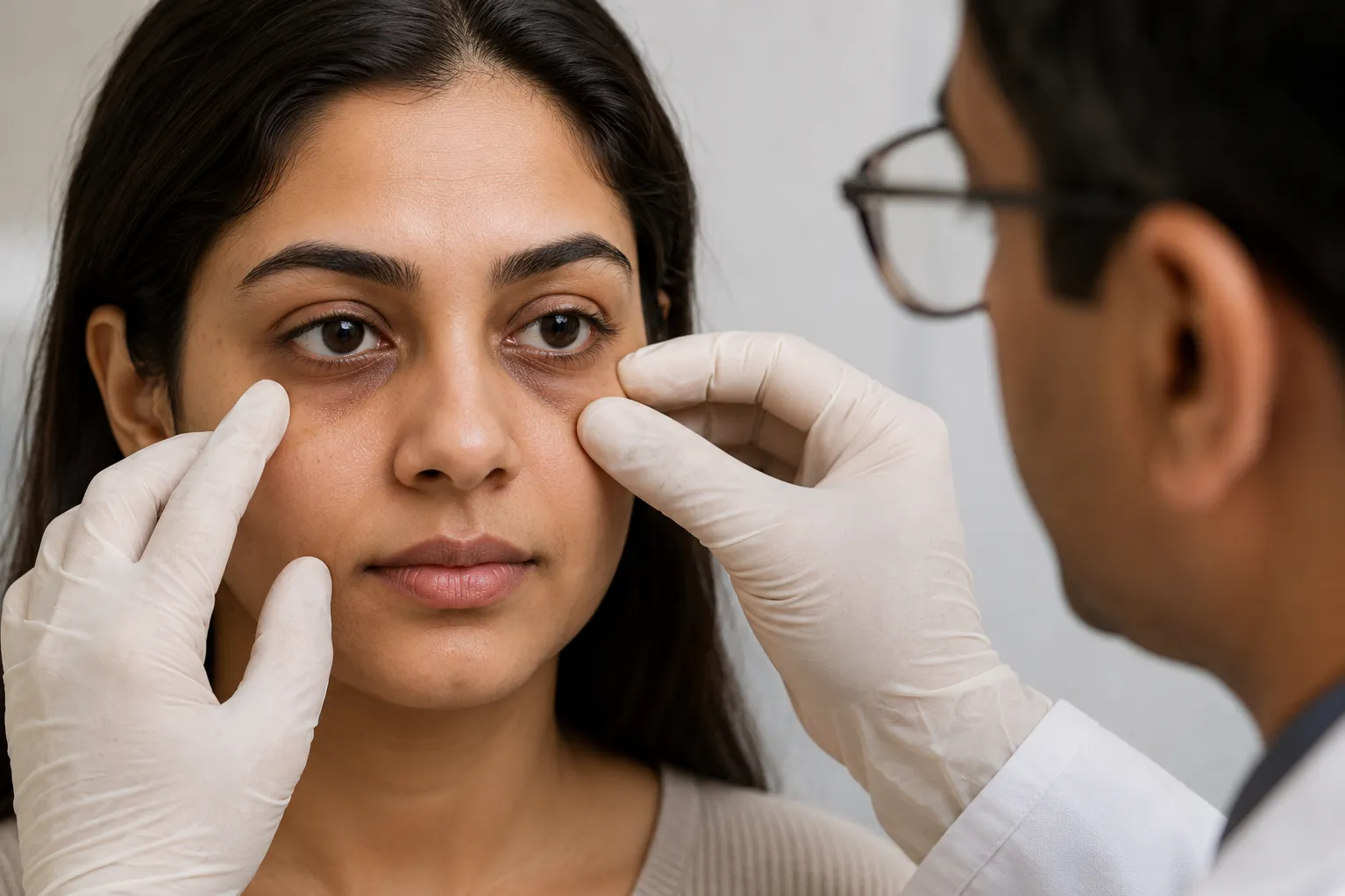
This is why an effective dark circles treatment in Nagpur should begin with identifying the cause. Dr. Richa’s Unique Clinic evaluates the skin, under-eye structure and relevant lifestyle or medical factors before discussing suitable options.
Why Do Dark Circles Develop?
The term “dark circles” describes an appearance rather than a single condition. Common causes include:
- Increased pigment beneath the eyes
- Thin skin that makes blood vessels more visible
- Natural hollows that create shadows
- Loss of volume with age
- Frequent eye rubbing
- Allergies or nasal congestion
- Sun exposure
- Dehydration and irregular sleep
- Family or genetic tendency
Several causes may be present at the same time. For example, a person can have both under-eye pigmentation and a tear-trough hollow. Treating only the pigment may improve the colour but leave the shadow unchanged.
Topical Products for Mild Pigmentation
Doctor-recommended creams may help when excess pigmentation is an important factor. Depending on the skin condition, the plan may include brightening ingredients, antioxidants, moisturisers or products that support skin renewal.
The under-eye area is delicate, so products intended for the rest of the face may be too strong. Applying harsh acids, scrubs or unprescribed lightening creams can cause irritation. This inflammation may make pigmentation more noticeable, particularly in Indian skin tones.
Topical treatment is gradual and requires consistent use. It is generally not enough for deep hollows or substantial volume loss.
Chemical Peels for Under-Eye Discolouration
Carefully selected superficial peels may be considered for certain types of under-eye pigmentation. The strength and formulation must be appropriate for this sensitive area.
Peels may support gradual improvement in skin tone, but they are not suitable for every patient. Active irritation, eczema, infection or highly sensitive skin may need to be managed first. Correct aftercare is also essential because sun exposure can increase the risk of uneven pigmentation.
Lasers and Energy-Based Treatments
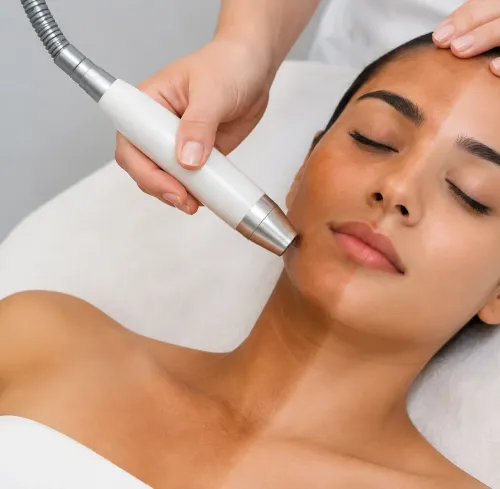
Laser or energy-based procedures may be evaluated when pigmentation, visible vessels or skin texture contributes to the concern. The choice of technology and settings depends on skin tone and the specific under-eye problem.
These treatments should not be selected only because they appear more advanced. Incorrect settings or unsuitable patient selection can cause irritation, burns or pigmentation changes. A clinical assessment is therefore more valuable than choosing a treatment by name.
Fillers for Under-Eye Hollows
When a tear-trough hollow creates a visible shadow, a suitable filler may be considered to restore selected volume. This approach addresses facial structure rather than skin pigmentation.
Under-eye filler is a technically sensitive procedure. It may cause bruising, swelling, contour irregularity or other complications. Not every hollow should be treated with filler, especially when there is significant puffiness or unsuitable anatomy.
How to Compare Your Options
A useful treatment plan should explain:
- The main cause of the dark circles
- Which part of the concern can realistically improve
- Whether one or multiple methods are required
- Expected treatment duration and downtime
- Possible side effects
- The maintenance and aftercare involved
Nagpur’s strong sunlight makes daily sun protection especially relevant during treatment. Sunglasses, suitable sunscreen and avoiding repeated eye rubbing may support the results.
The best approach is not necessarily the quickest or most expensive option. It is the one that matches the actual cause while protecting the thin, sensitive skin around the eyes.
Keywords