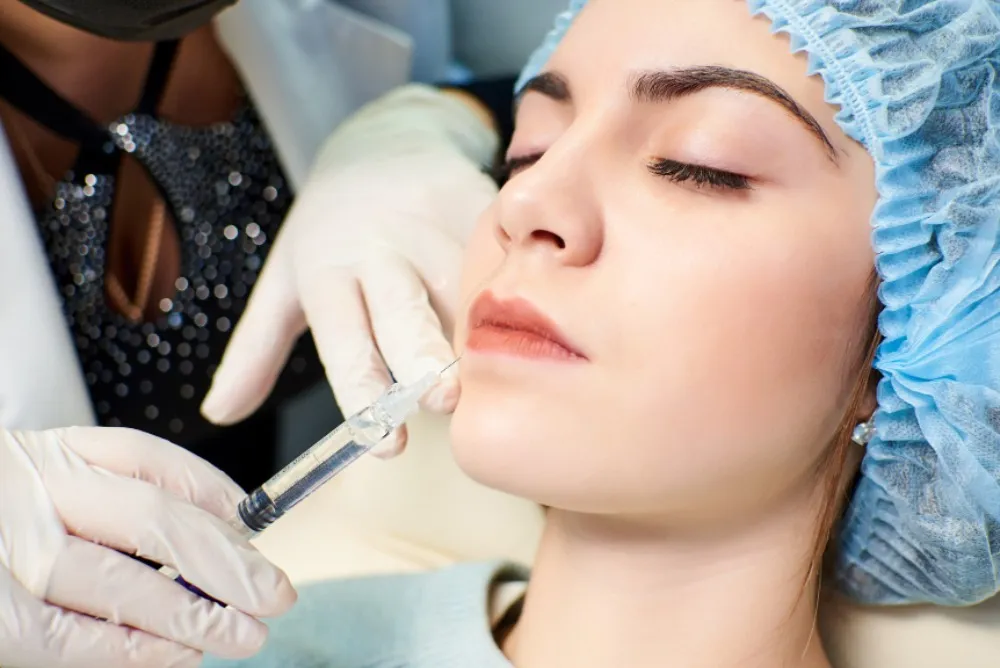
Botox and dermal fillers are both injectable aesthetic treatments, but they do not work in the same way. One primarily reduces selected muscle activity, while the other restores volume or changes contour. Confusing the two can create unrealistic expectations and lead patients to request a procedure that does not match their concern.
Dr. Richa’s Unique Clinic in Nagpur assesses facial movement, proportions, skin quality and treatment goals before recommending Botox or filler services. The decision should be based on facial anatomy rather than a trend or a standard number of injections.
What Does Botox Do?
“Botox” is commonly used as a familiar name for botulinum toxin treatment. It works by temporarily reducing the activity of selected muscles.
It is often considered for expression-related lines, such as:
- Forehead lines
- Frown lines between the eyebrows
- Lines beside the eyes
- Selected lower-face concerns
- Certain muscle-related facial imbalances
These lines become more visible when a person smiles, frowns or raises the eyebrows. By relaxing carefully chosen muscles, the treatment can soften their appearance.
The effect is temporary and develops gradually. Excessive treatment or unsuitable placement can affect facial expression or eyebrow position, which is why knowledge of facial anatomy is essential.
What Do Dermal Fillers Do?
Dermal fillers are injectable materials used to restore or add volume in selected areas. Depending on the product and treatment goal, they may be considered for:
- Lip definition or volume
- Cheek contour
- Chin or jawline shaping
- Selected folds and facial lines
- Volume loss associated with ageing
- Certain under-eye hollows
Fillers do not relax muscles. They create structural support or volume, and the effect may be visible soon after treatment. Temporary swelling can influence the early appearance, so the final result should not always be judged immediately.
Which Treatment Matches Which Concern?
A simple comparison can make the distinction clearer:
- Lines caused mainly by facial movement may respond to botulinum toxin.
- Hollows or volume loss may be better suited to filler.
- Changes in skin texture may require a different procedure.
- Pigmentation cannot be corrected by either injectable.
- Some ageing concerns may benefit from a carefully planned combination.
Not every line needs to be removed. Natural facial movement and balanced proportions are important parts of an appropriate result.
Common Mistakes to Avoid
One frequent mistake is selecting treatment based solely on price per unit or syringe. Product quantity does not reveal whether the proposed placement is safe or suitable.
Other mistakes include:
- Copying another person’s facial treatment plan
- Requesting an exaggerated change in one session
- Hiding medical conditions or medicines
- Scheduling treatment immediately before an important event
- Massaging the area without guidance
- Choosing a provider without appropriate clinical training
- Assuming all injectable products are identical
Patients should be told the product being used, its purpose, possible side effects and expected duration.
Safety and Recovery Considerations
Bruising, swelling, tenderness and temporary asymmetry can occur after injectable procedures. Less common but more significant complications are also possible, particularly with fillers. The practitioner should understand facial blood vessels, recognise complications and have a clear management protocol.
Before treatment, discuss allergies, pregnancy, breastfeeding, neuromuscular conditions, infections and medicines that may influence bruising or suitability.
People travelling across Nagpur for an appointment should leave enough time for consultation rather than planning injections as a rushed walk-in service. A thoughtful assessment may conclude that a different procedureor no procedure,is more appropriate.
Botox and fillers can create refined changes when they are used conservatively for the correct indication. The most reliable treatment plan prioritises facial balance, appropriate product selection and safe technique over dramatic or standardised results.
Keywords