Body contouring refers to treatments intended to improve the shape or definition of selected body areas. These services are often considered for localised bulges or uneven contours that remain despite regular exercise and balanced eating.
One of the biggest misunderstandings is that body contouring is the same as weight-loss treatment. It is not. Most contouring procedures are designed to address specific areas rather than produce major changes in overall body weight.
Dr. Richa’s Unique Clinic offers body contouring services in Nagpur with treatment planning based on the individual’s concern, health profile and expected outcome. Before choosing any procedure, it helps to understand its realistic role.
Body Contouring Versus Weight Loss
Weight loss reduces overall body mass through changes in nutrition, physical activity, medical management or other clinically appropriate measures. Body contouring focuses on the appearance of a defined region, such as the abdomen, thighs, arms, back or flanks.
A person may be close to a stable weight yet remain concerned about a particular area. In such cases, a clinician can assess whether contouring is appropriate. Someone seeking substantial weight reduction, however, may need a broader weight-management plan first.
Body contouring is best viewed as a shaping service—not a substitute for healthy habits or medical obesity care.
What Types of Concerns May Be Assessed?
People commonly enquire about contouring for:
- Localised abdominal bulges
- Fullness around the waist or flanks
- Upper-arm contour
- Thigh shape
- Back or bra-line bulges
- Uneven body proportions
- Mild loss of firmness in selected areas
The suitability of a treatment depends on more than the location of the concern. Skin elasticity, tissue thickness, general health and previous weight changes can all influence the likely outcome.
Non-Surgical and Surgical Options Are Different
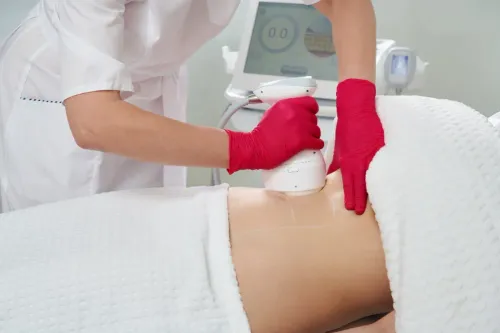
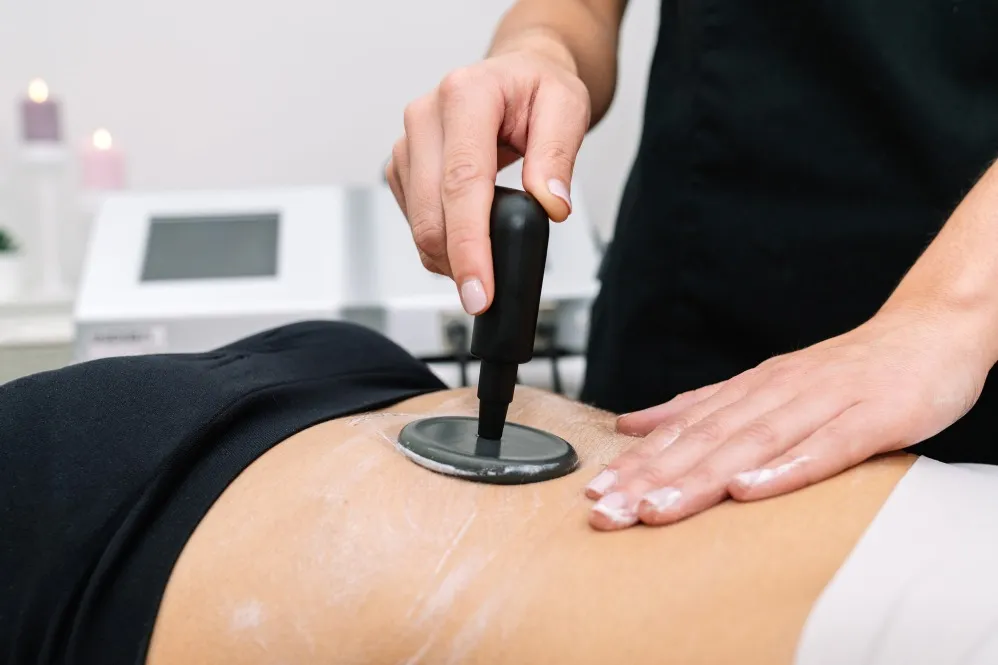
Non-surgical body contouring uses device-based technologies or other minimally invasive methods to target selected tissue. Different procedures may use controlled cooling, heat, ultrasound, radiofrequency or muscle-stimulation technology.
These options usually involve less downtime than surgery, but their effects are generally more gradual and limited. Multiple sessions may be needed, and not every technology is suitable for every body area.
Surgical contouring can create more significant physical changes but involves anaesthesia, incisions, recovery time and a different risk profile. A non-surgical clinic should not present device-based treatment as equivalent to surgery.
Questions to Ask Before Treatment
A useful consultation should answer practical questions, including:
- Which area is being treated, and why is it suitable?
- What technology or method will be used?
- What degree of change is realistic?
- How many sessions may be needed?
- Will the procedure involve discomfort or downtime?
- Are there medical reasons to avoid it?
- How will progress be reviewed?
Measurements or standardised photographs may be used to monitor change. Patients should be wary of comparisons based on different lighting, posture or camera angles.
Factors That Influence the Outcome
No contouring procedure works independently of the person’s biology and routine. Weight fluctuations, hydration, eating patterns, activity levels and skin elasticity may affect how the treated area looks over time.
In Nagpur, seasonal heat can also influence recovery planning after certain procedures. Comfortable clothing, hydration and adherence to aftercare instructions may help manage temporary sensitivity or swelling.
A responsible consultation should distinguish between what the procedure is likely to improve and what it cannot change. Body contouring can support better definition in suitable candidates, but it should be approached with measured expectations. The most useful plan is one built around a clearly identified concern, an appropriate treatment method and consistent follow-up.
Keywords